RDF-refuse derived fuel production plants
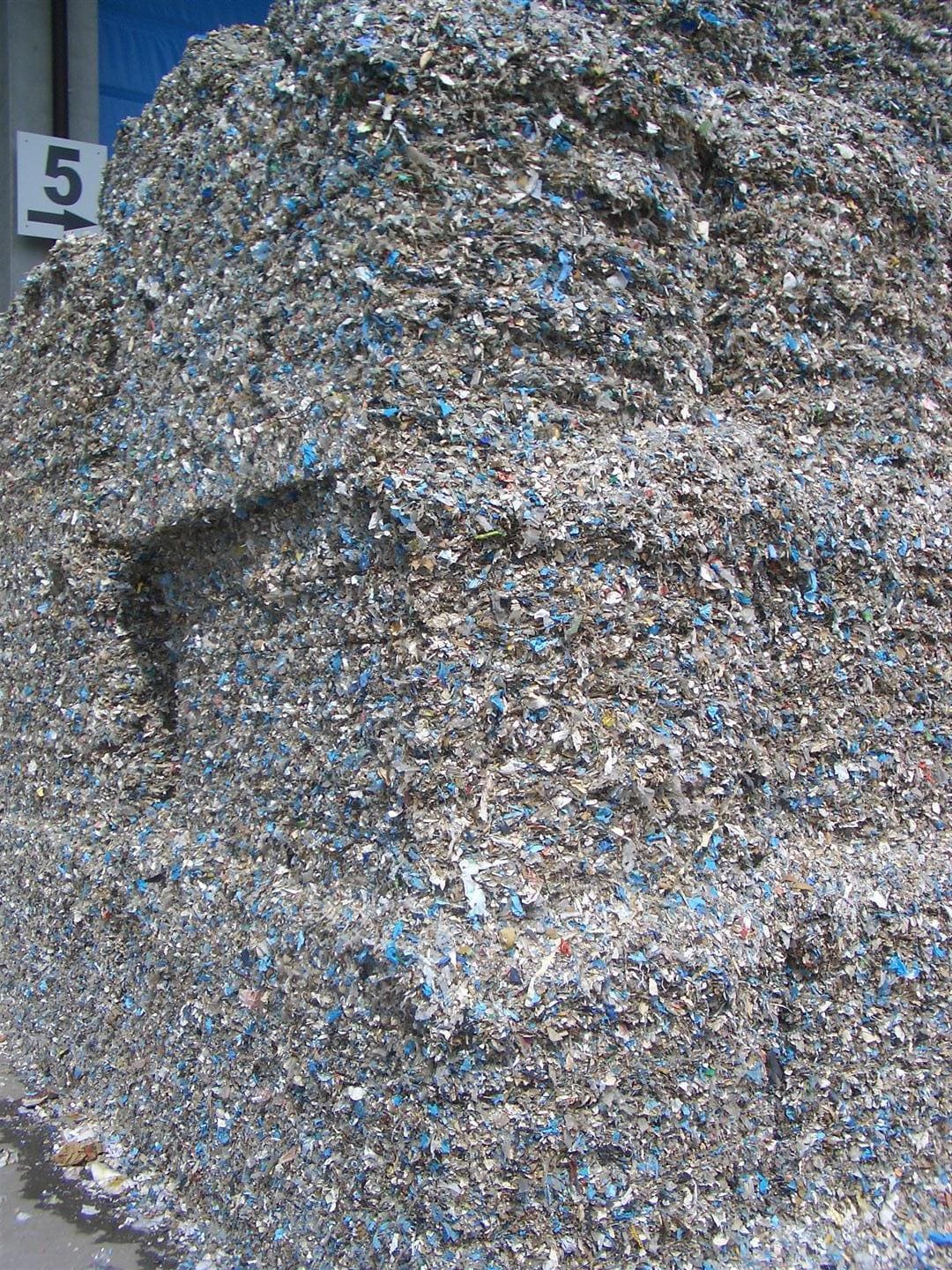
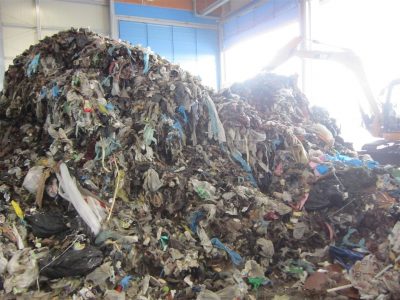
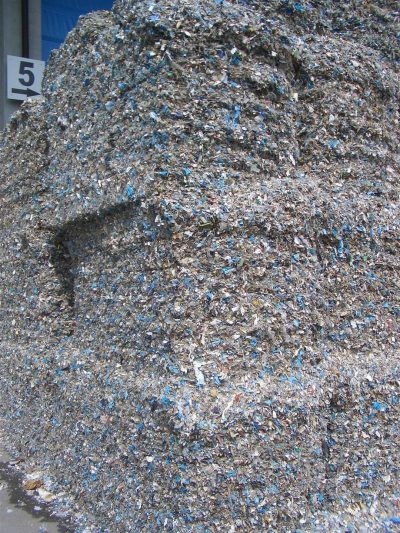
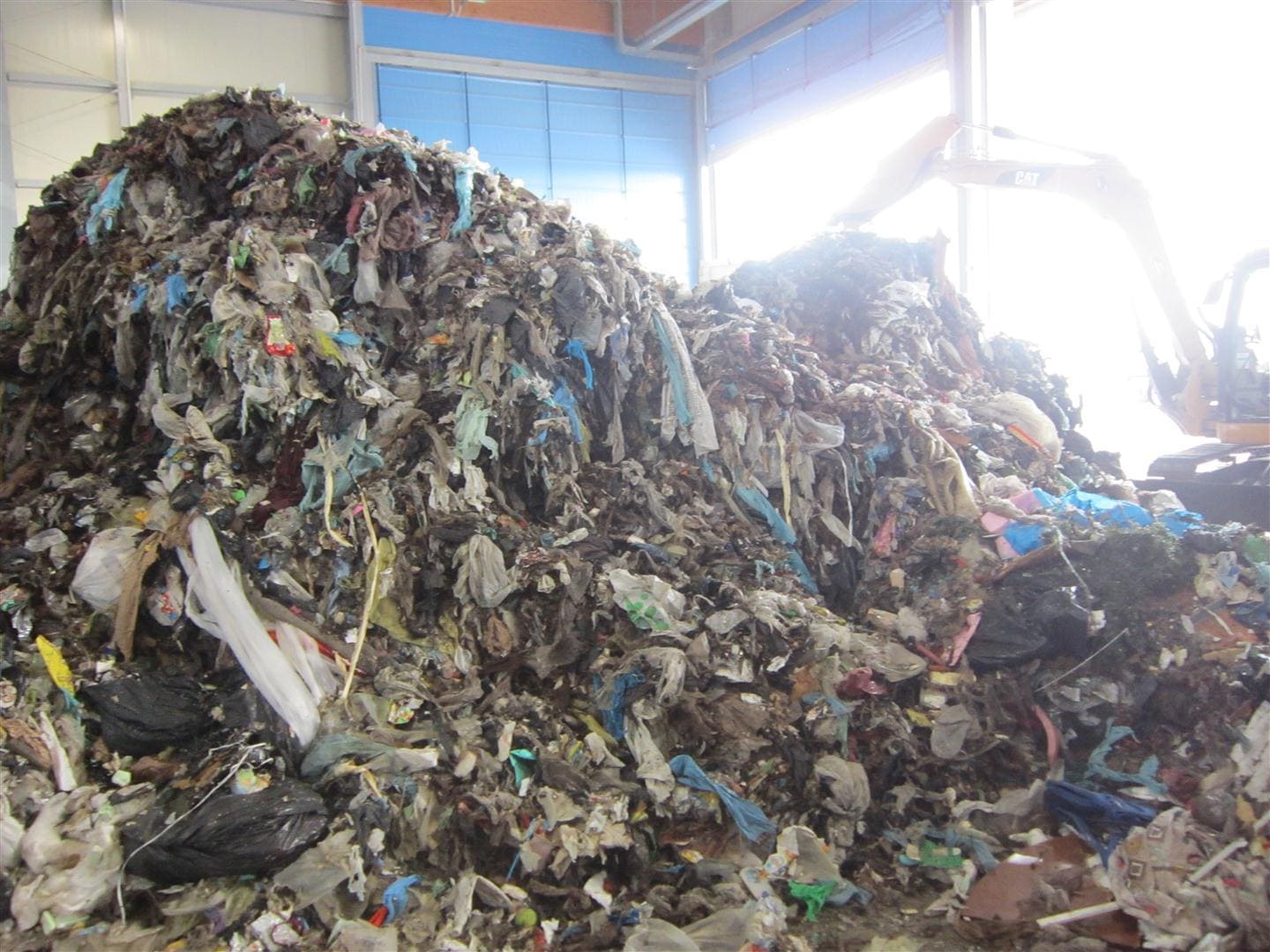
The production of SRF (Solid Recovered Fuel) marks the completion of the waste management cycle. SRF is a fuel material obtained from the non-recyclable dry fraction of municipal and non-hazardous special waste (such as plastics, paper, and textiles). This fraction is biostabilized, reduced, and transformed into SRF, which is used to fuel power plants, waste-to-energy plants, and cement factories.
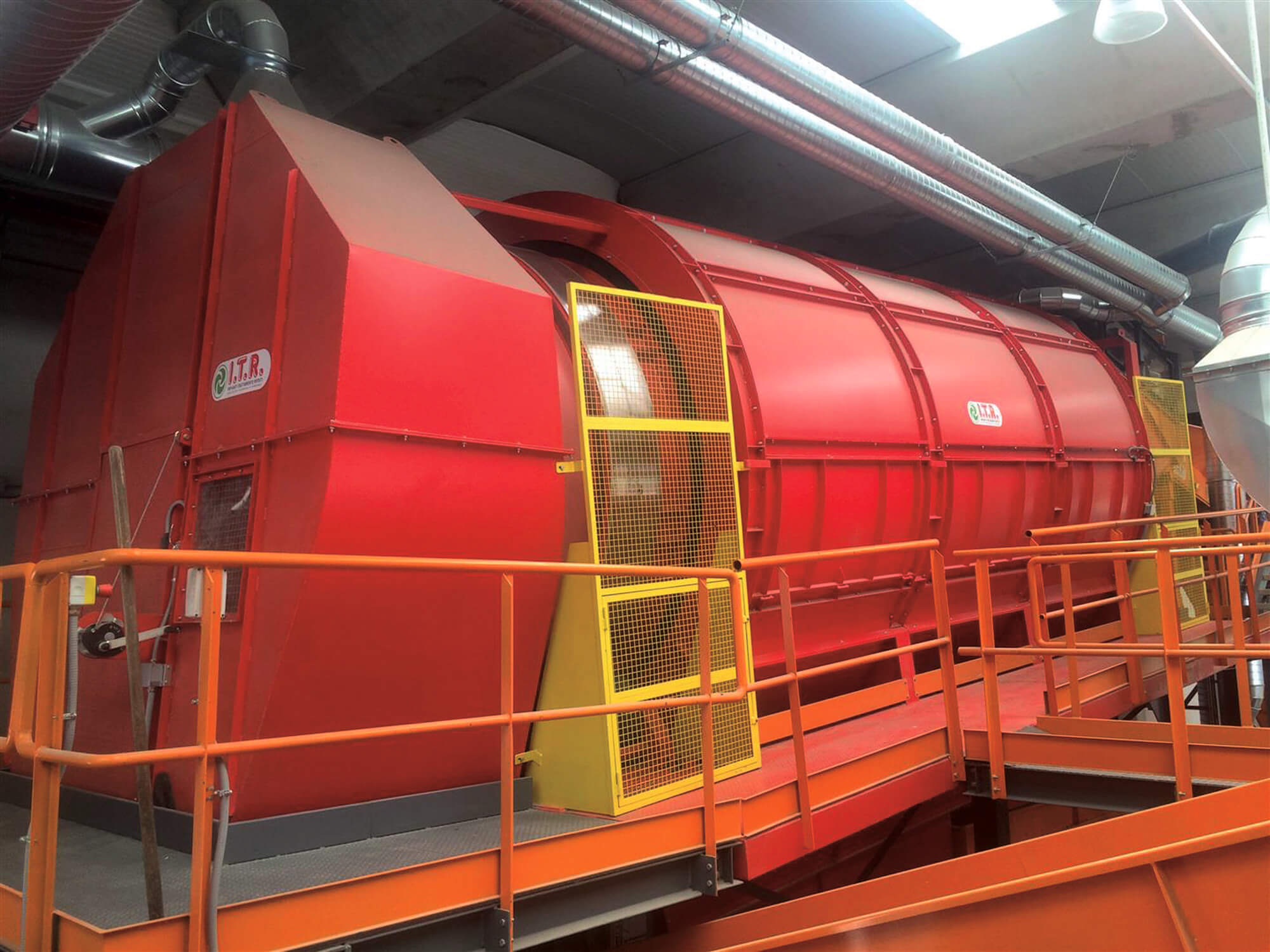
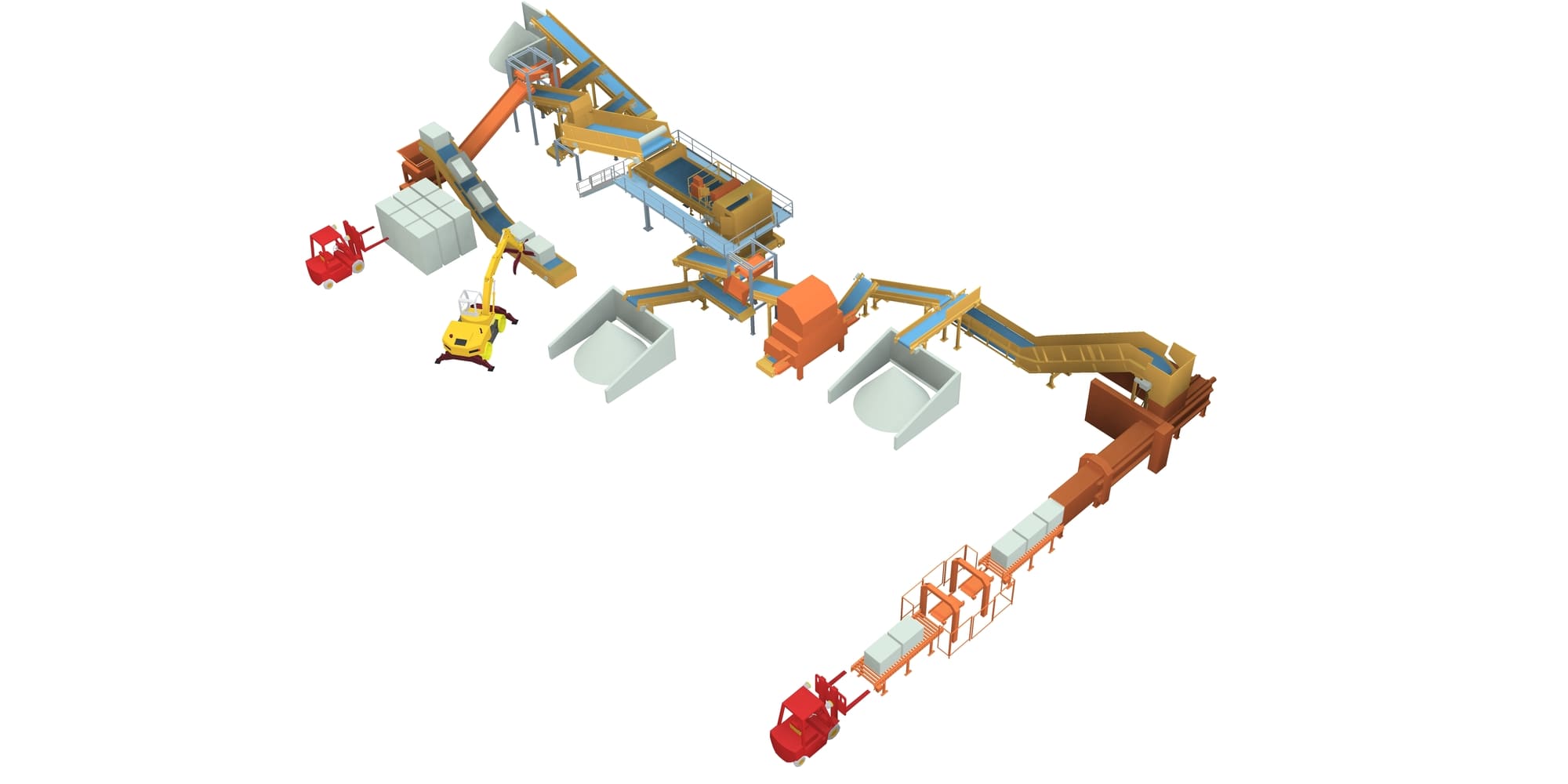
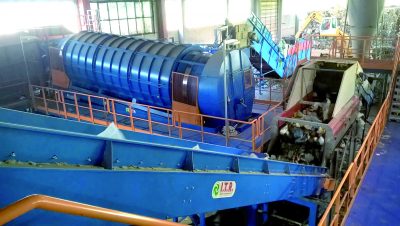
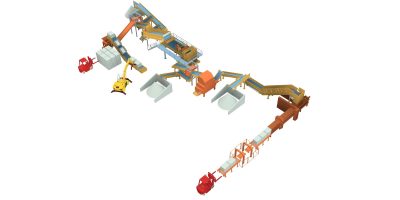
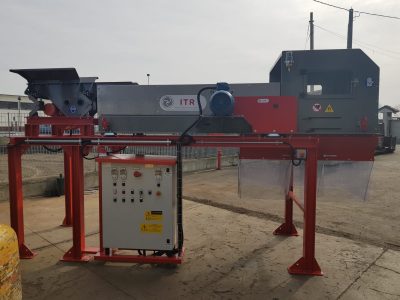
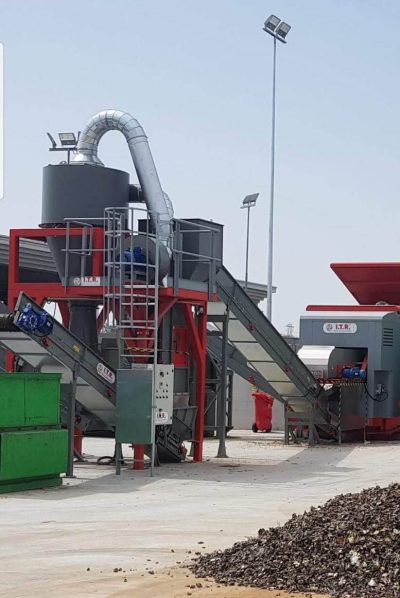
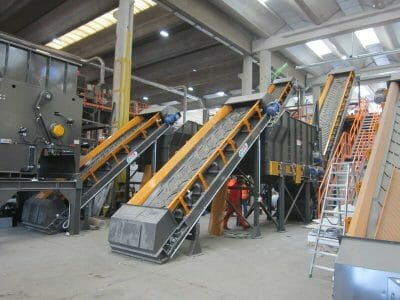
ITR – Recycling Systems designs and builds SRF production plants that process the residual dry waste, i.e., the non-recyclable material from the end-of-line treatment of sorted waste and from the rejects of mechanical-biological treatment (MBT) plants. The outcome is a fuel-sized material suitable for delivery to facilities authorized to use this specific type of fuel, such as cement plants, thermoelectric plants, and incinerators.
ITR’s SRF production plants handle:
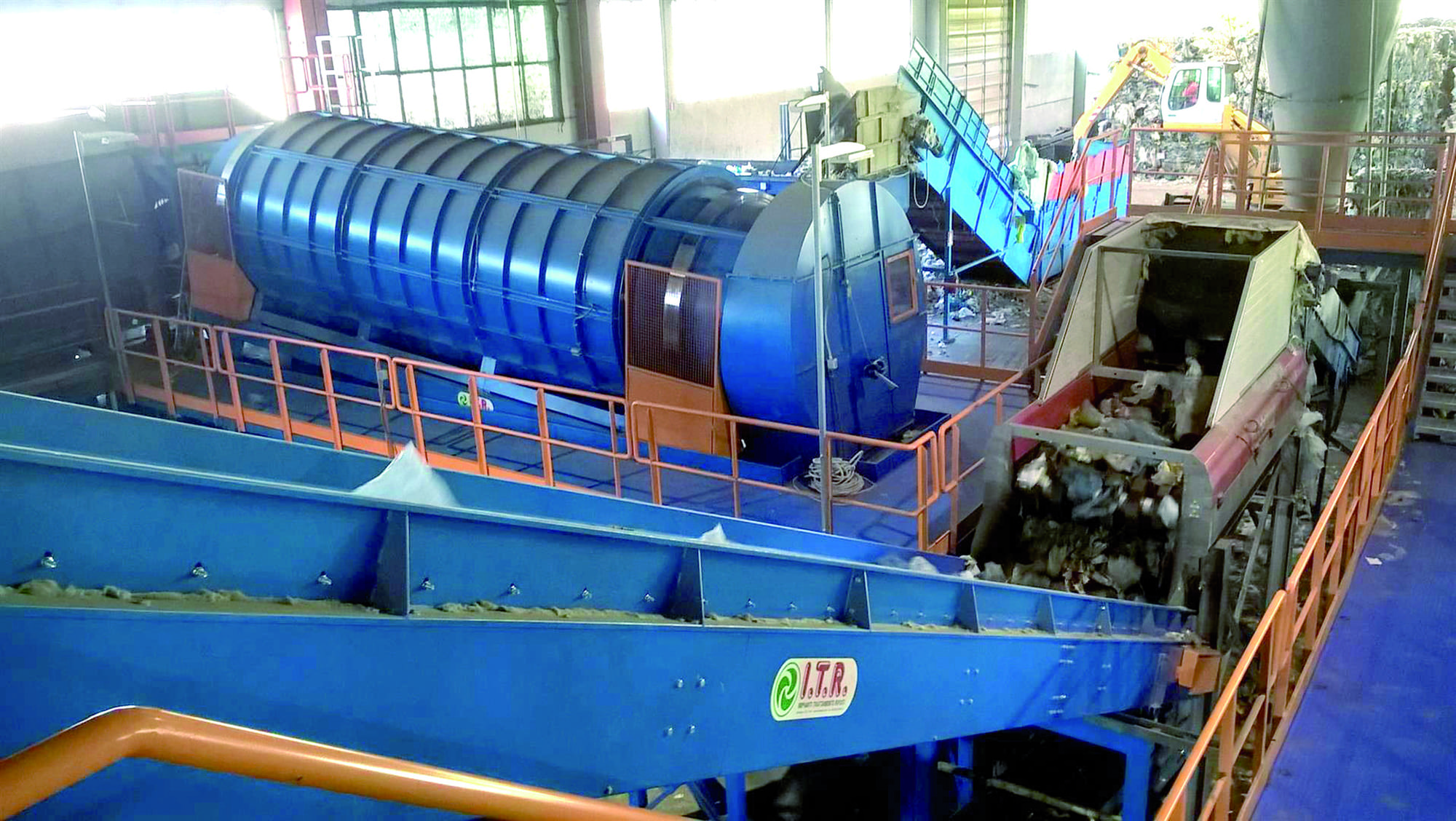
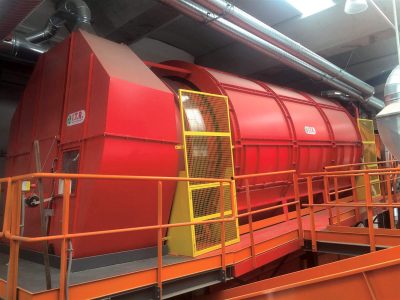
Biostabilization of the biodegradable moist fraction, ensuring proper drying and sanitization of the material, thereby reducing its putrescibility and weight.
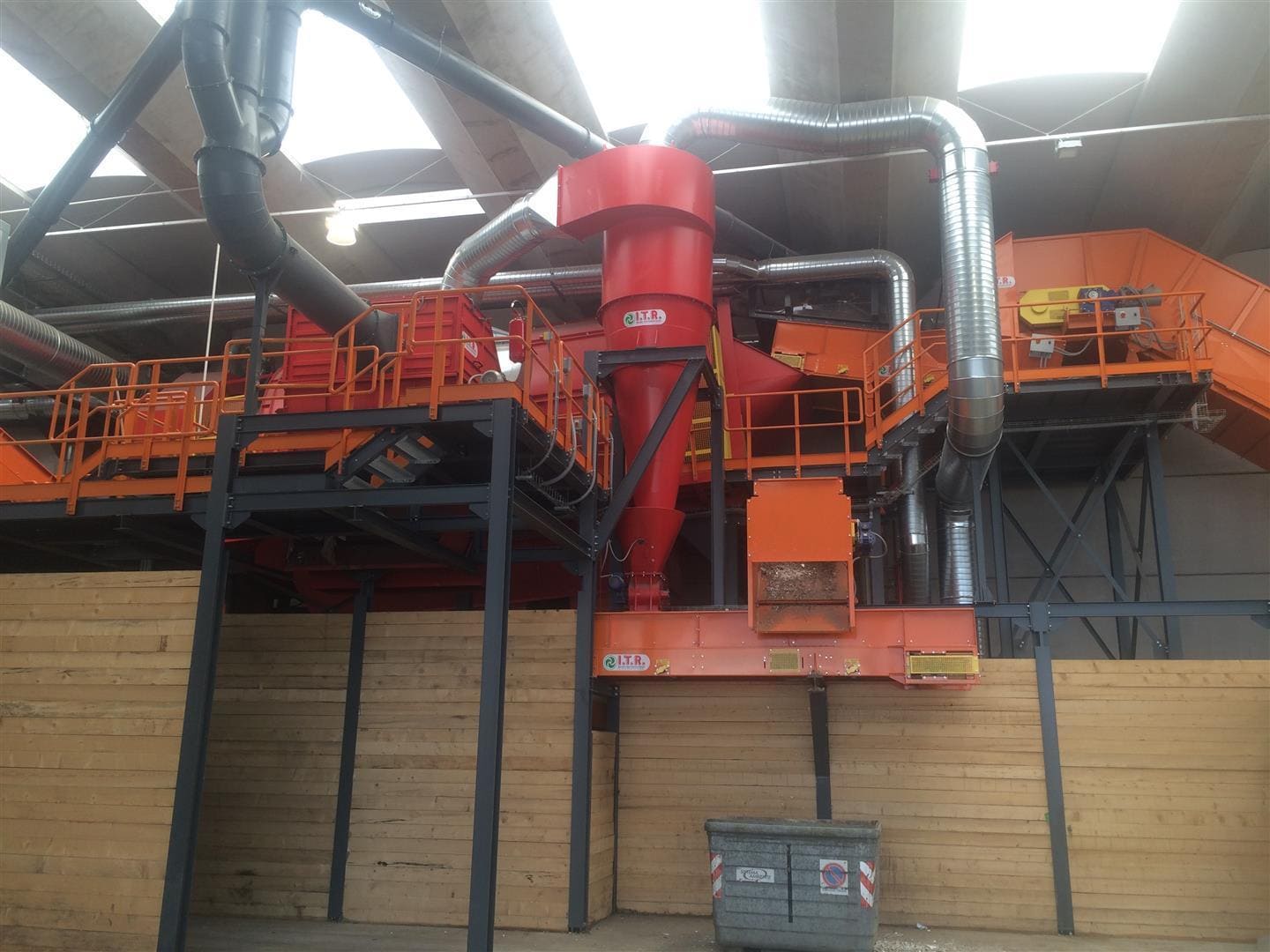
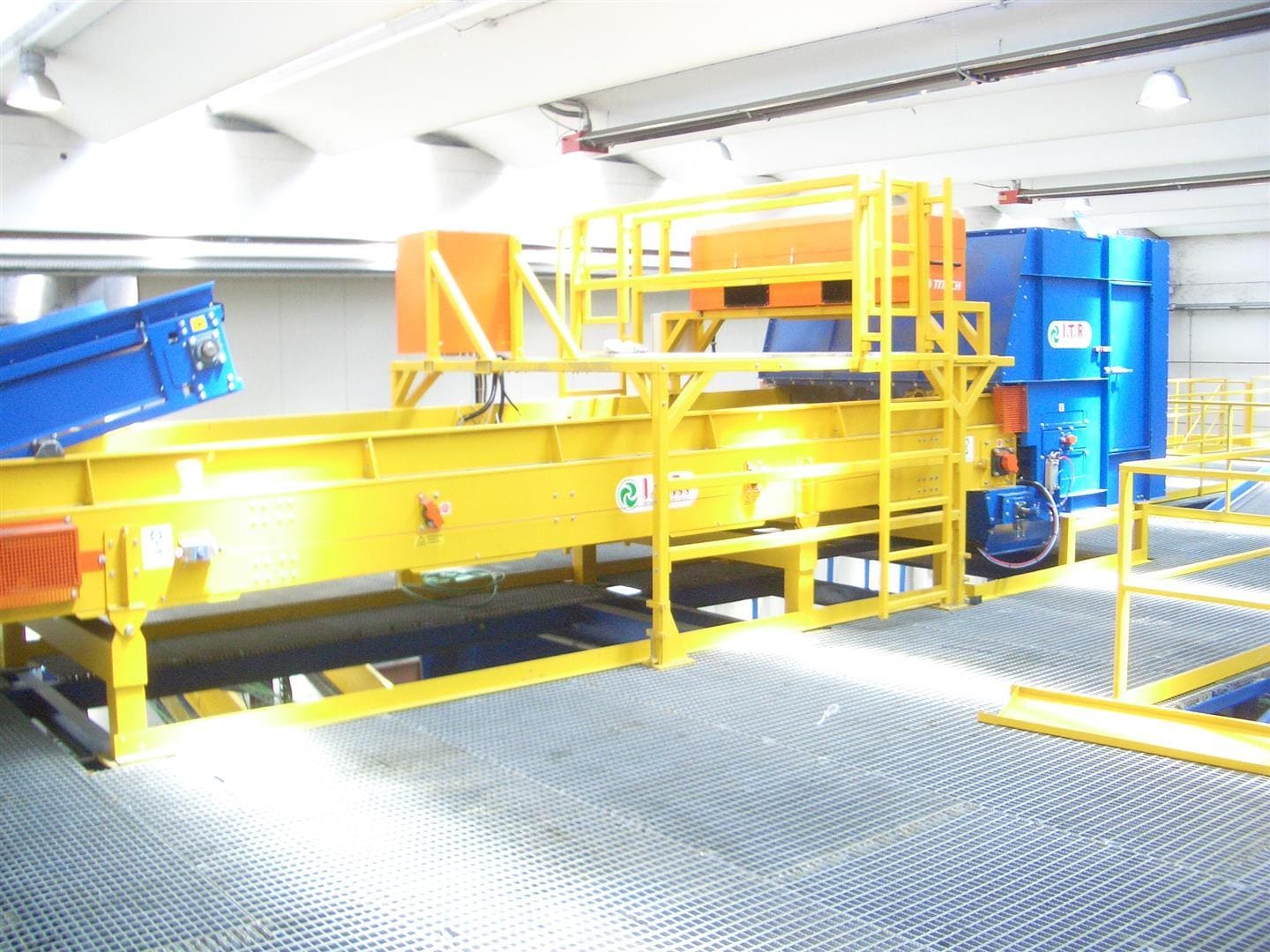
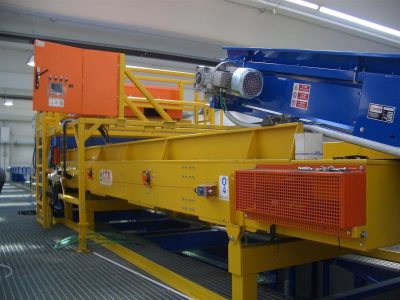
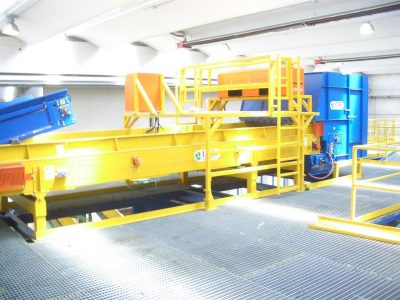
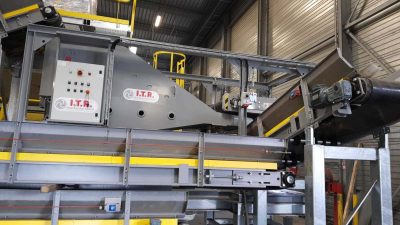
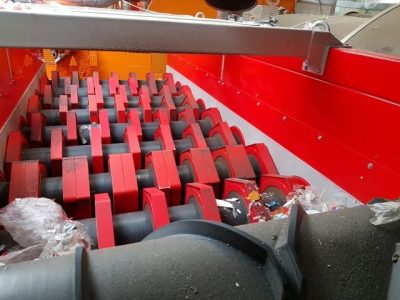
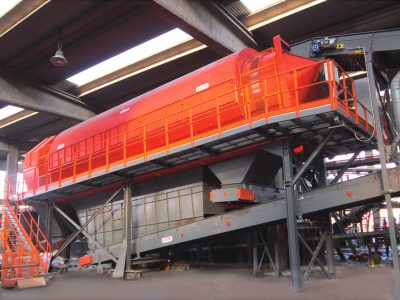
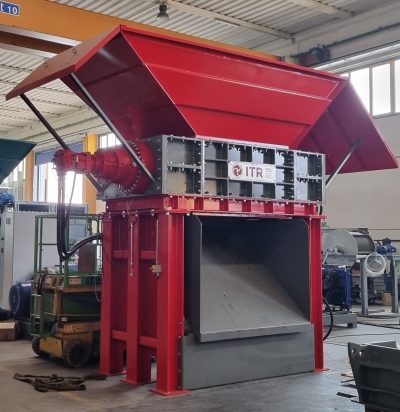
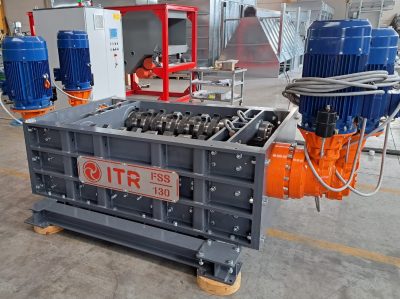
Refinement of material for SRF production, which involves a series of precise operations: screening, aeraulic separation, metal fraction separation, secondary shredding, and continuous monitoring of critical parameters, all aimed at producing SRF with consistent and high-quality standards, ready for energy recovery.
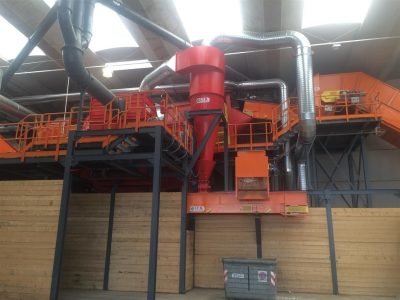
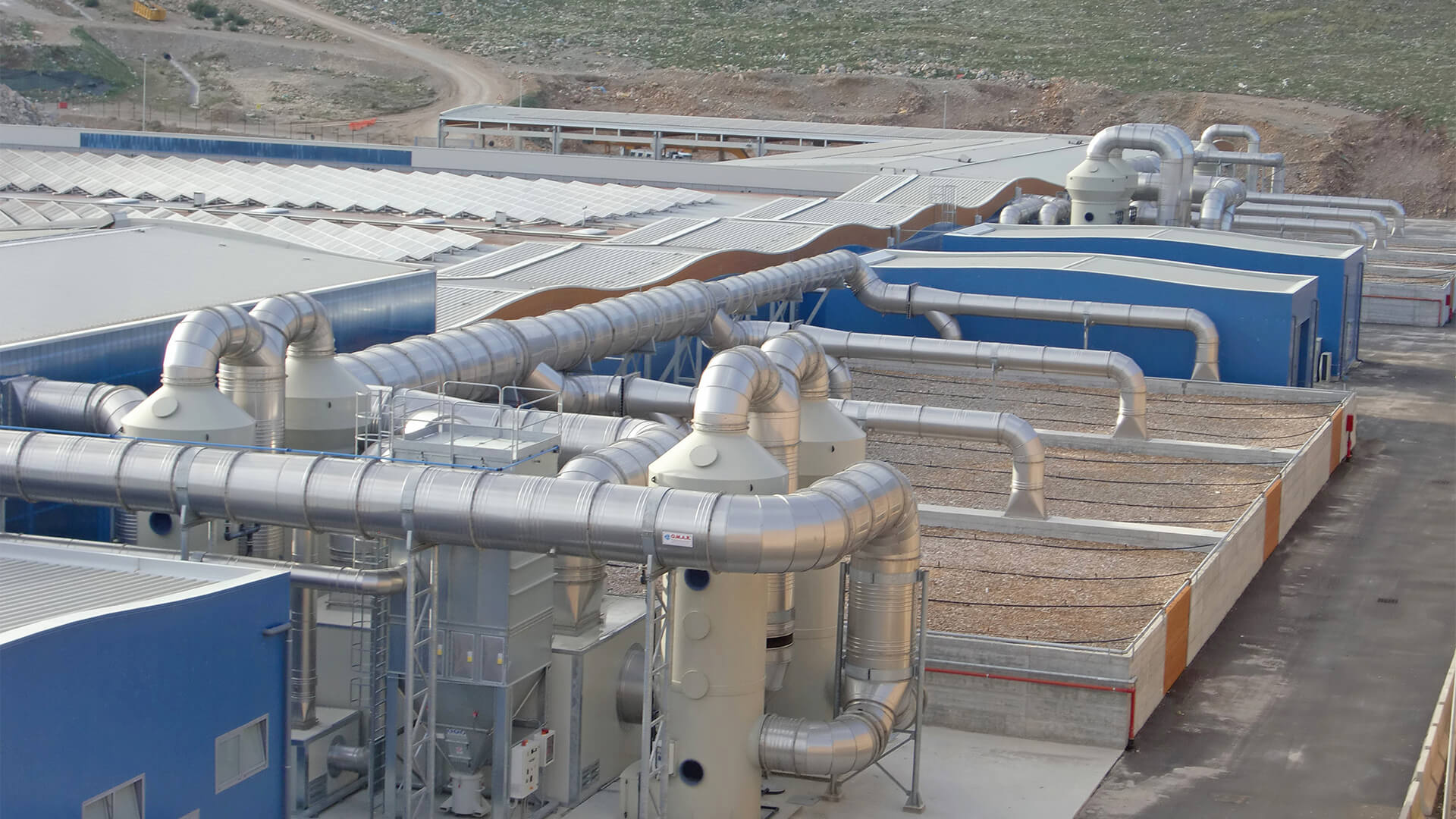
Installation of adequate dust, pollutant, and odor abatement systems, ensuring a clean working environment.
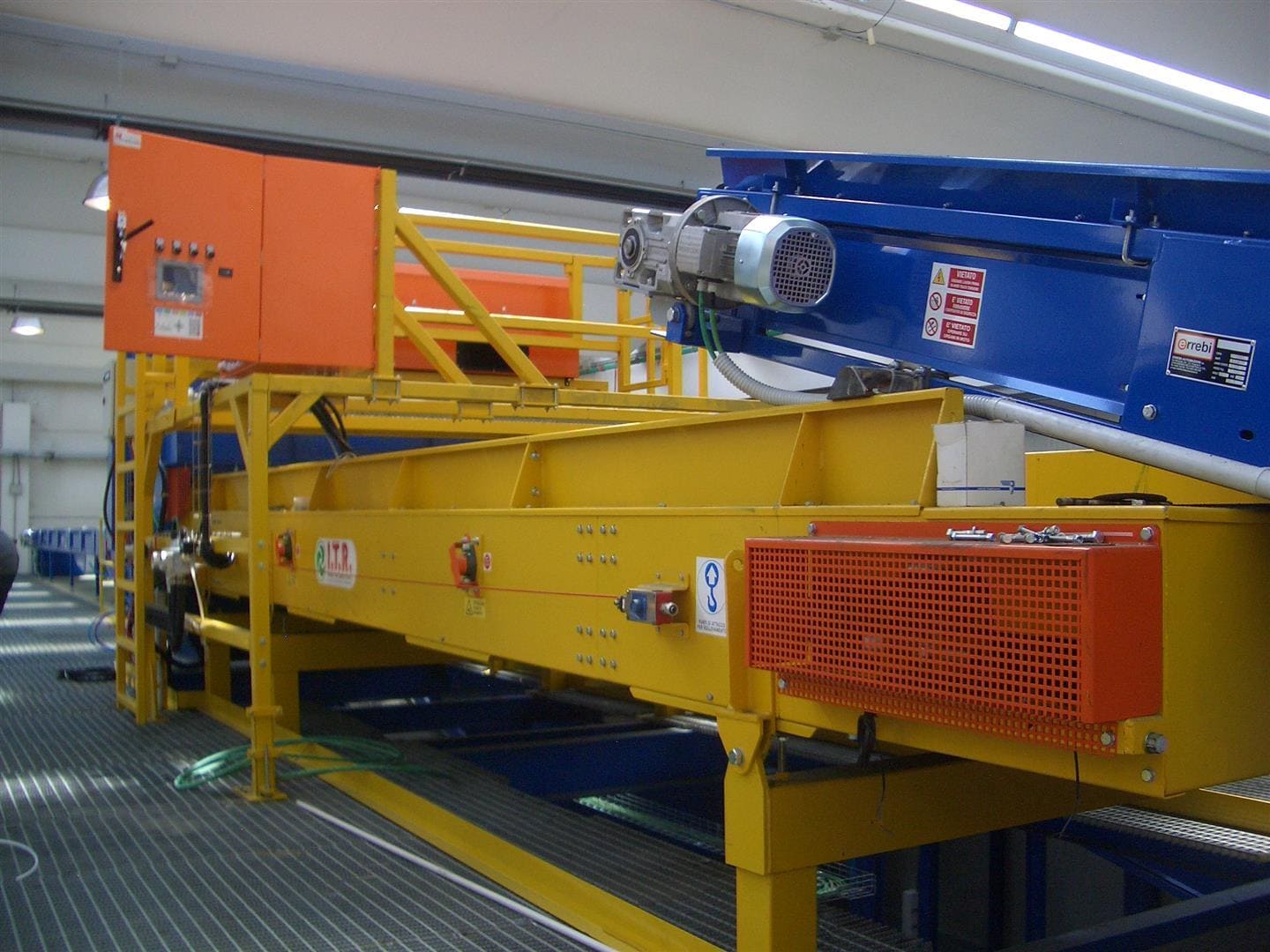
All ITR – Recycling Systems plants are equipped with independent controls for easy integration into existing process lines, as well as a software management system that allows for continuous monitoring and remote calibration of the entire plant.
Additionally, ITR systems include efficient dust and odor suppression technologies, which operate during processing phases to protect the environment, ensure worker health and safety, and preserve the quality of the recycled fractions returned to the production cycle.
ITR – Recycling Systems’ SRF production plants stand out in the market for their high efficiency, low operational and maintenance costs, ease of use, and seamless integration into Industry 4.0 factory systems.