Processing of electronic waste (WEEE)
ITR – Recycling Systems designs and manufactures turnkey WEEE treatment plants, tailored for companies involved in the processing of electrical and electronic waste across the different categories, which—according to current European regulations—are classified into five groups:
R1 – Cooling and Climate Equipment: Refrigerators, air conditioners, freezers, etc.
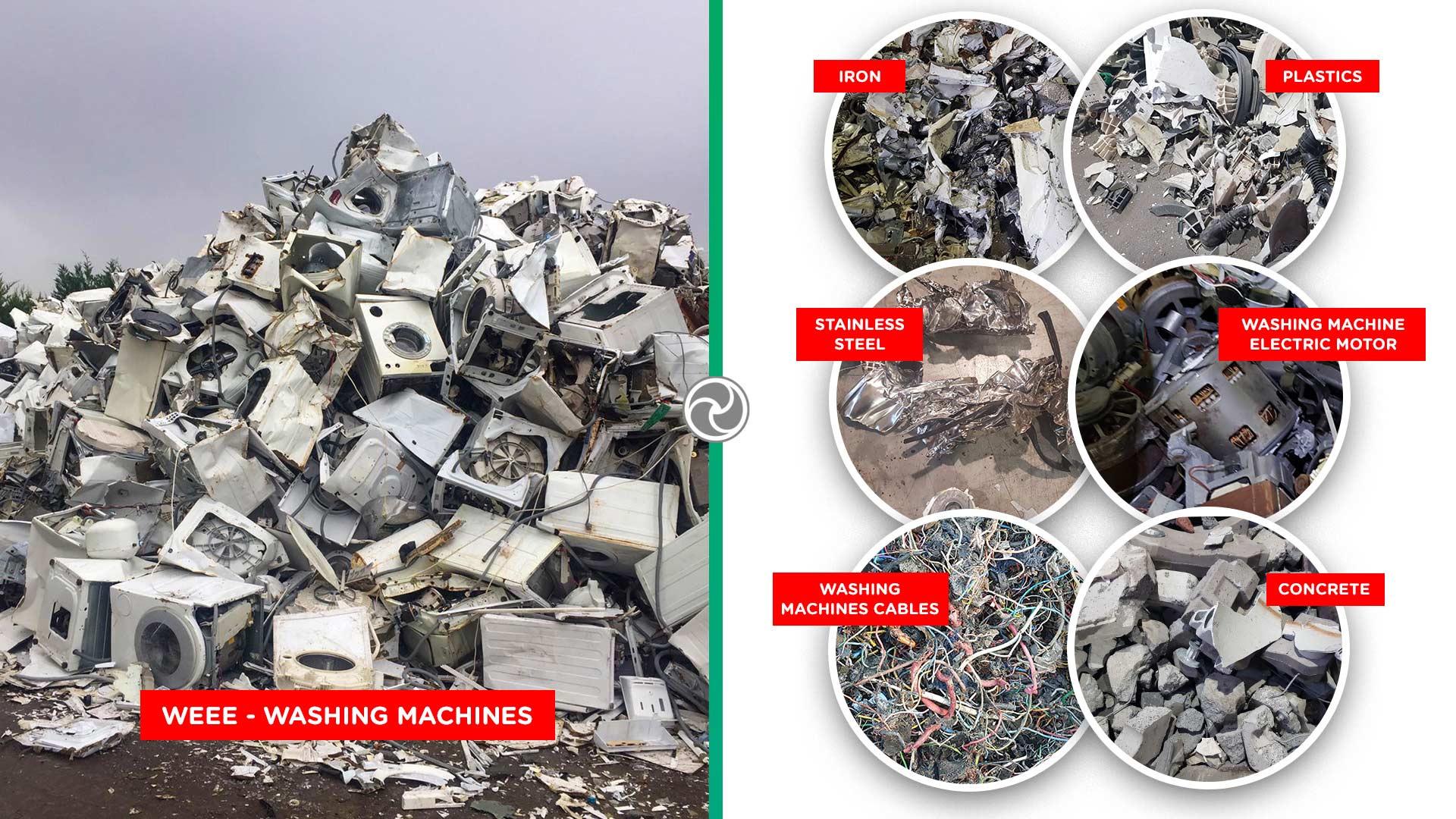
R2 – Large Household Appliances: Washing machines, dishwashers, hoods, ovens, etc.
R3 – TVs and Monitors: CRT televisions and screens, LCDs, plasma displays, etc.
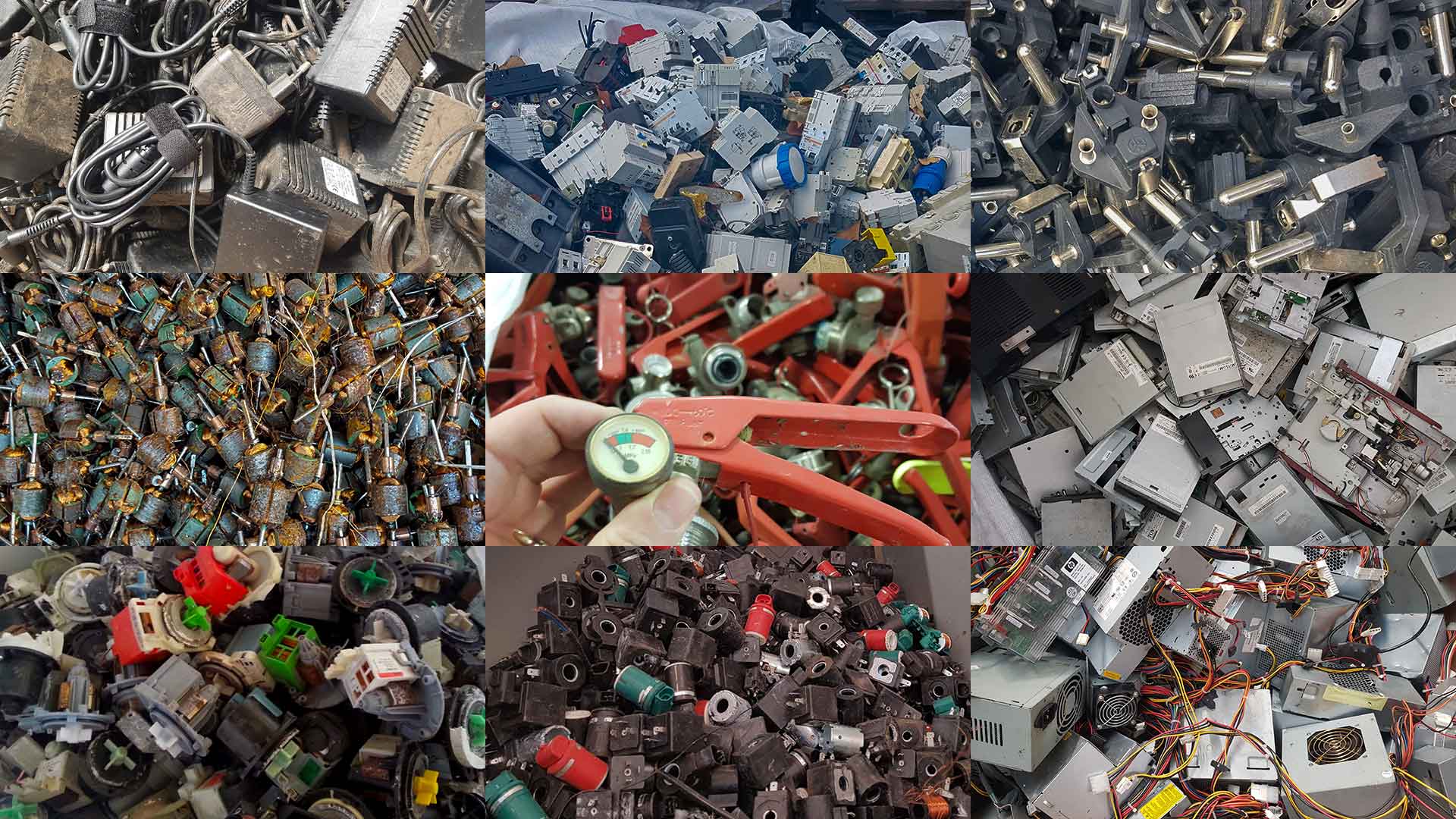
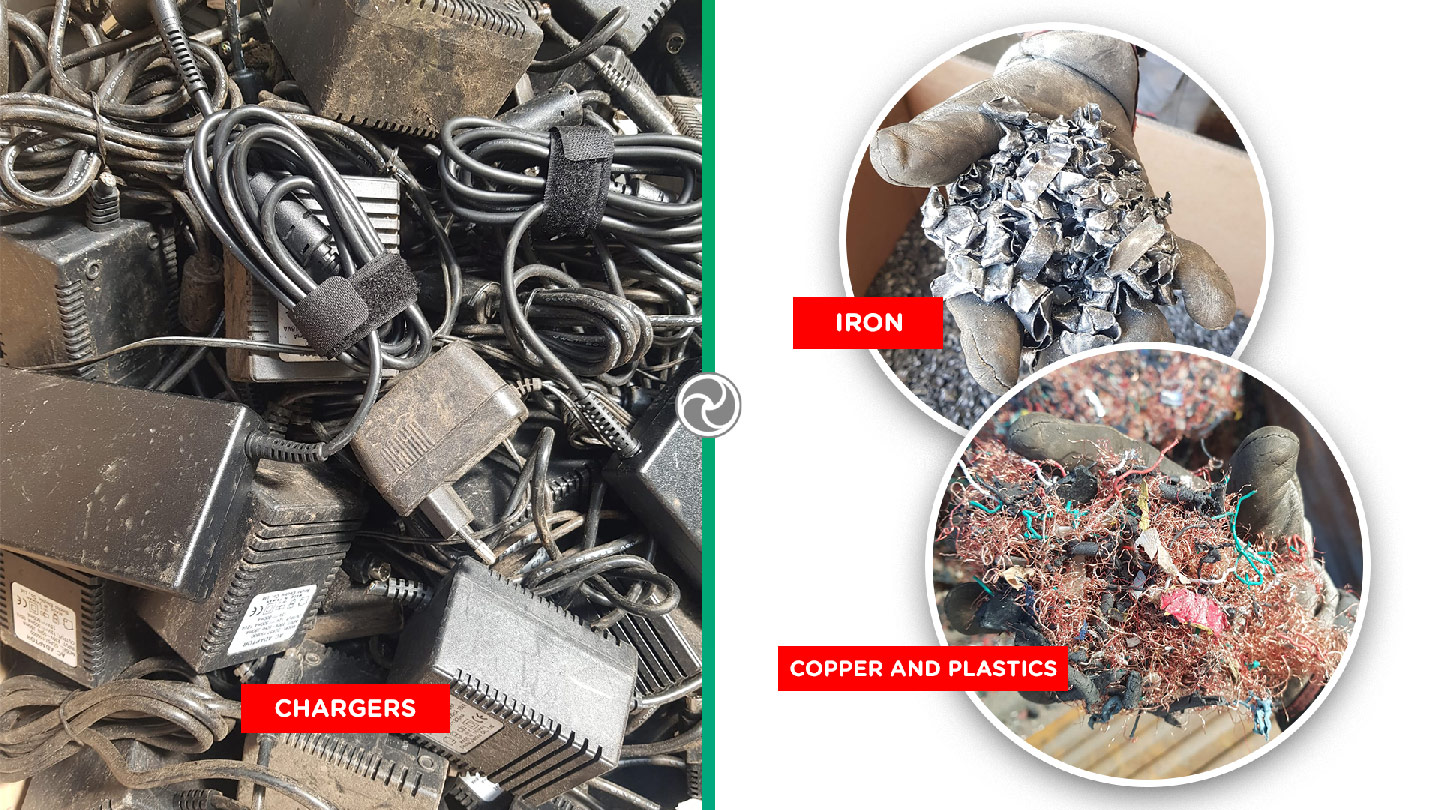
R4 – Small Appliances: Computers and IT equipment, phones, lighting equipment, photovoltaic panels, etc.
R5 – Light Sources: Low-energy light bulbs, LED lamps, neon lights, fluorescent lamps, etc.
As the volume of WEEE continues to grow, so do the targets for collection, recycling, and recovery of electrical and electronic equipment—set by the EU in 2019 at a minimum of 65%. This creates multiple development opportunities. Given the diversity in materials, composition, volume, and potential hazards, each WEEE category must be treated with specific technologies and processes to ensure maximum recovery and high-quality secondary raw materials, as well as the safe management of hazardous substances contained in some of them.
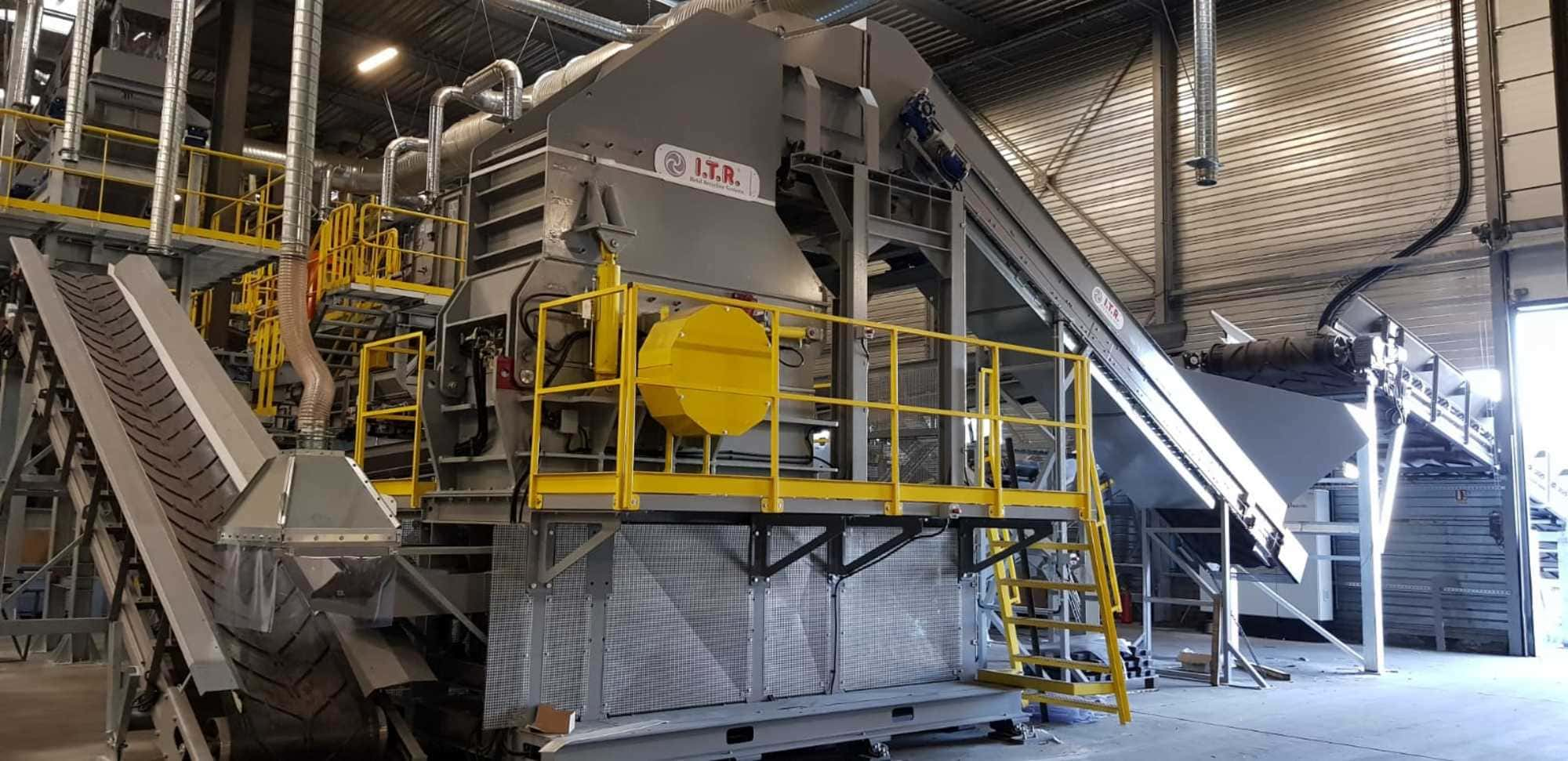
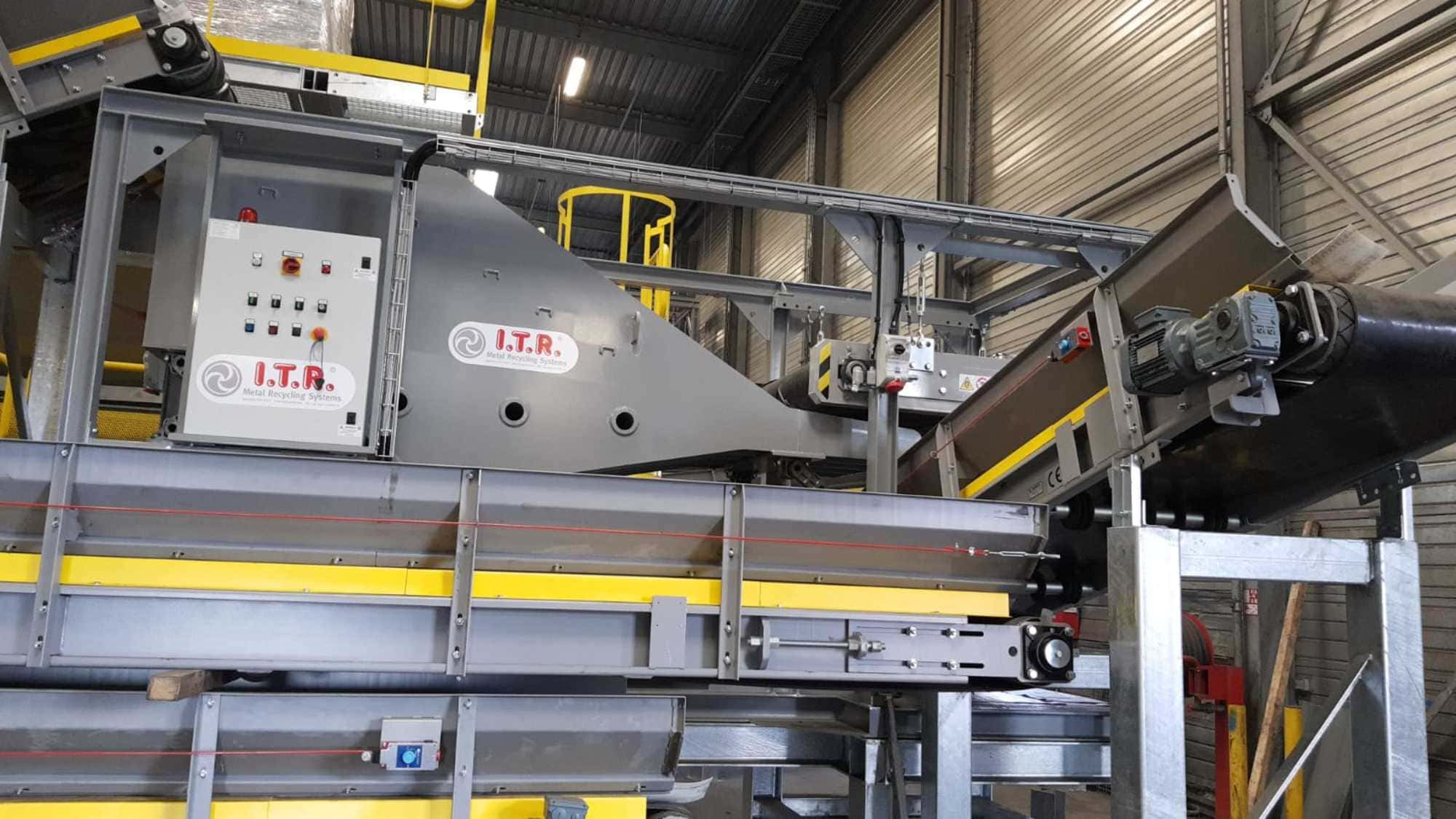
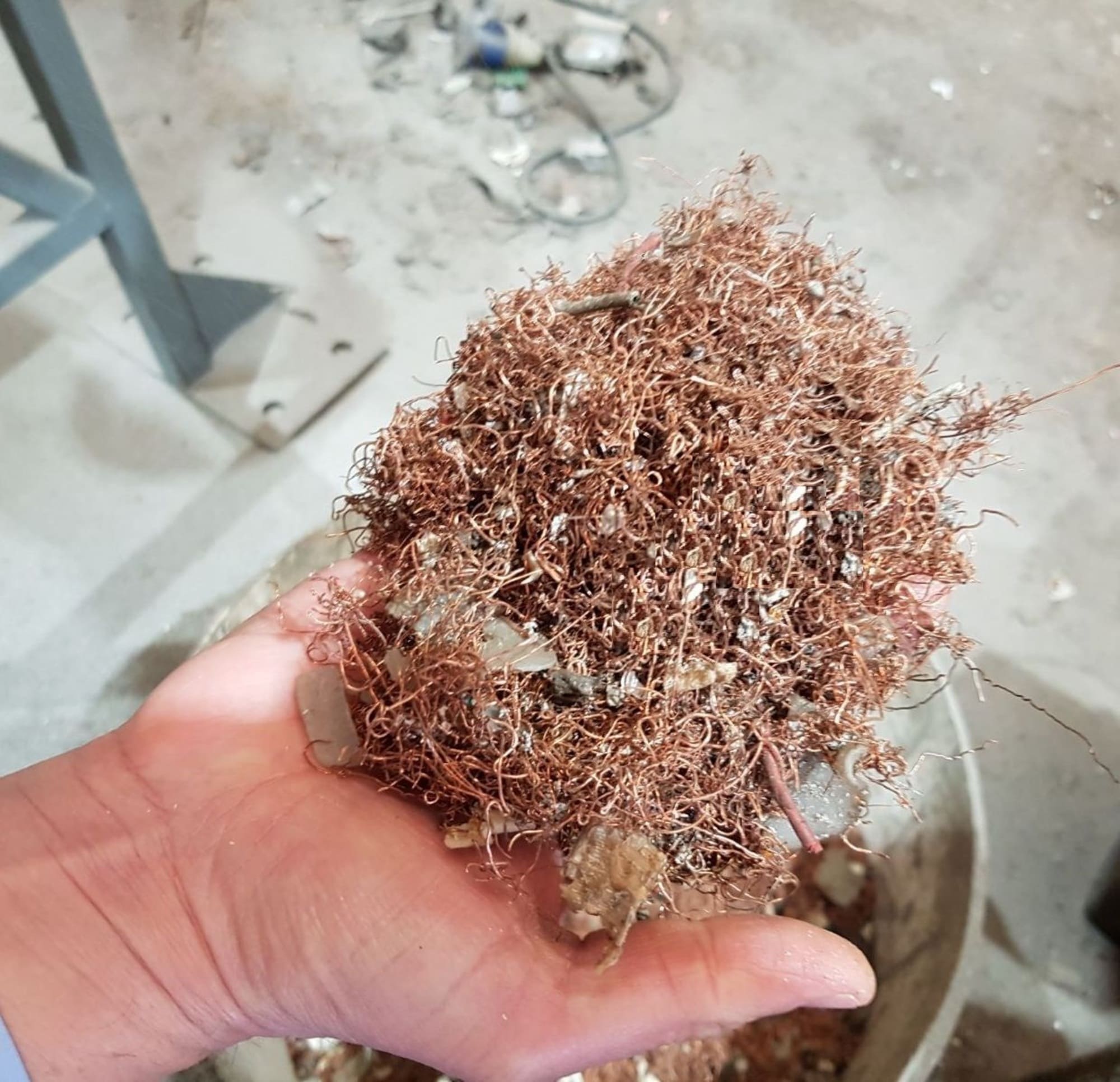
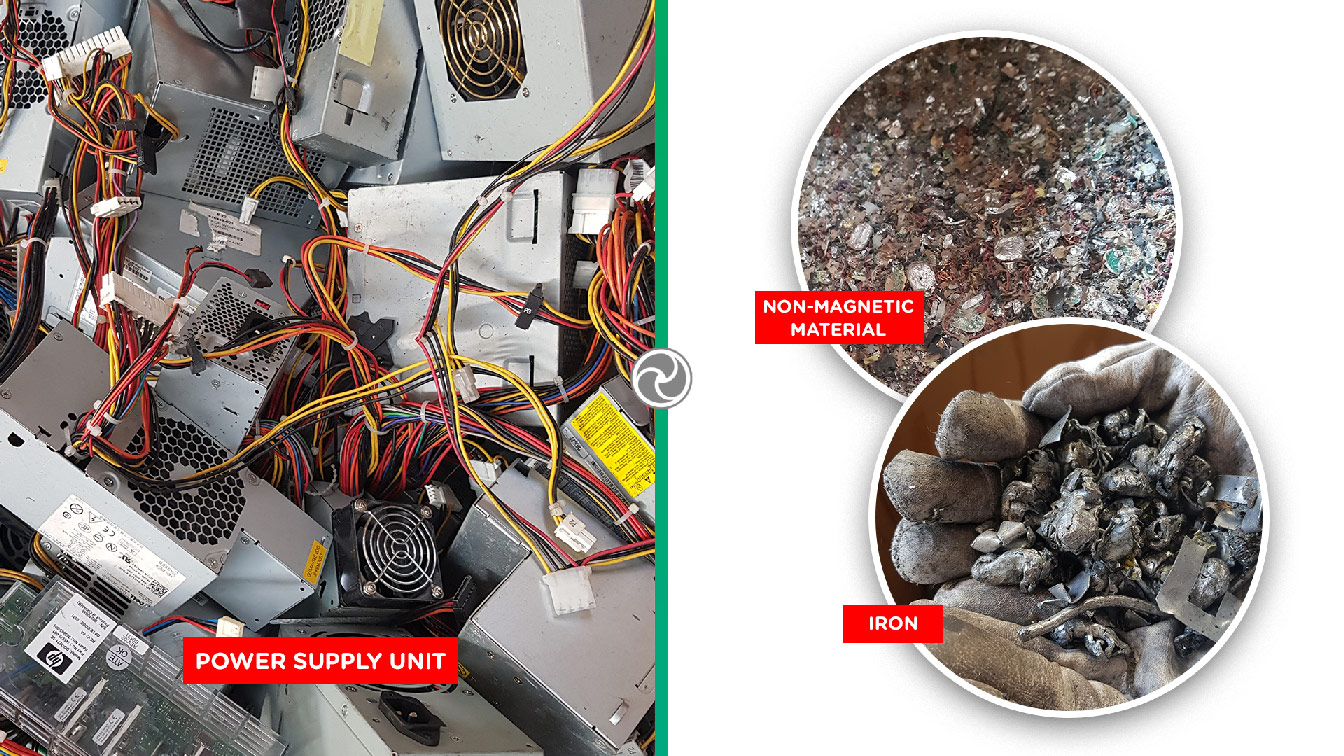
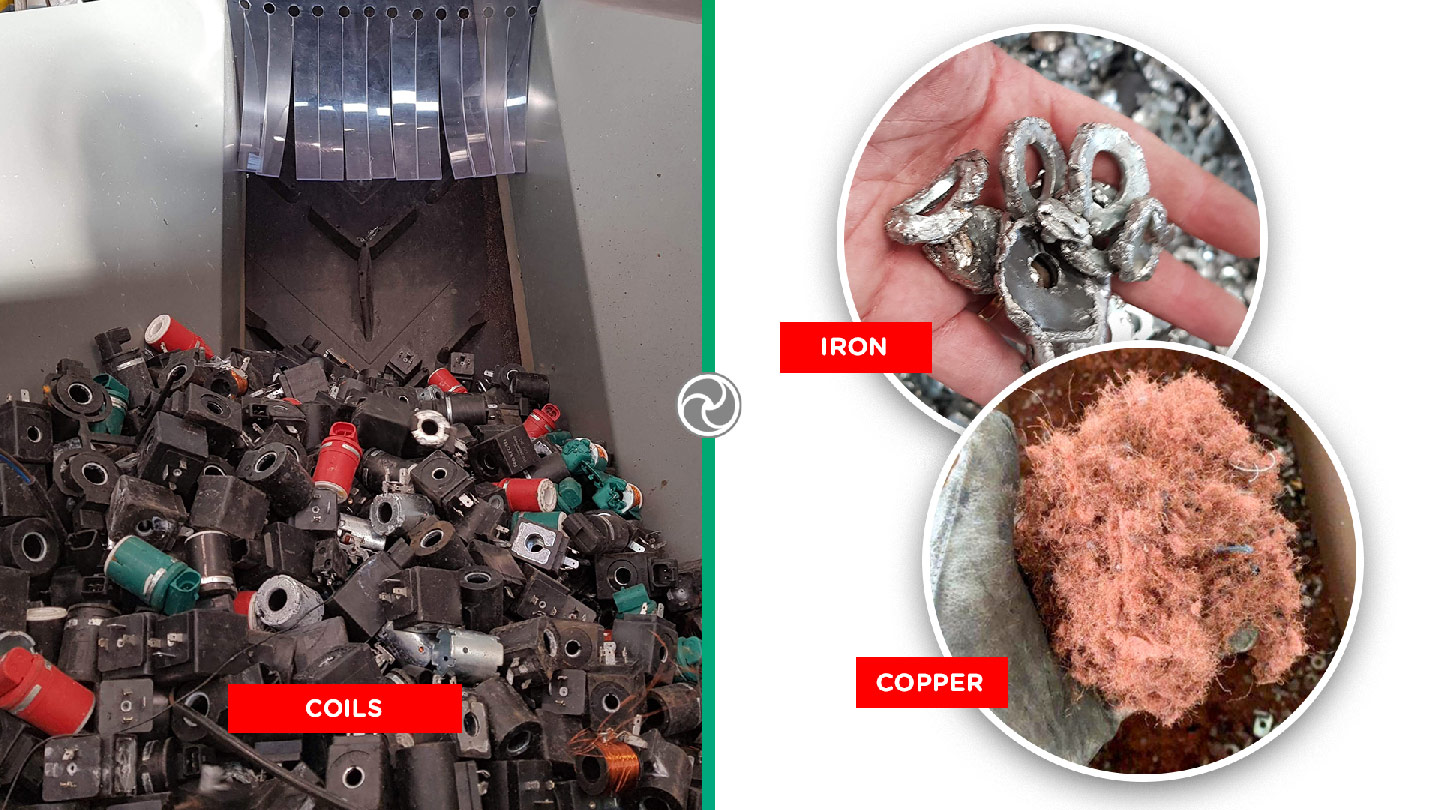
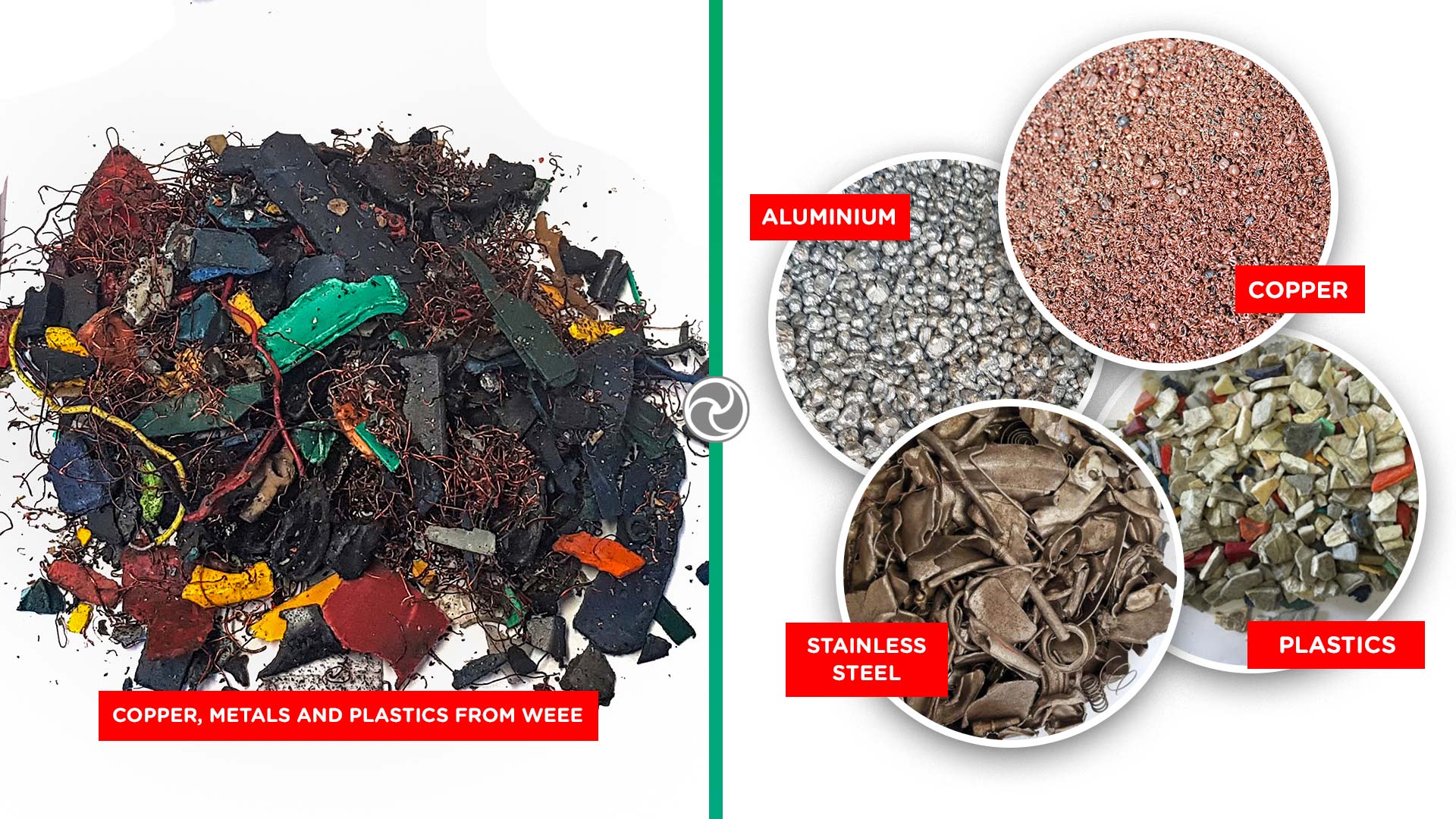
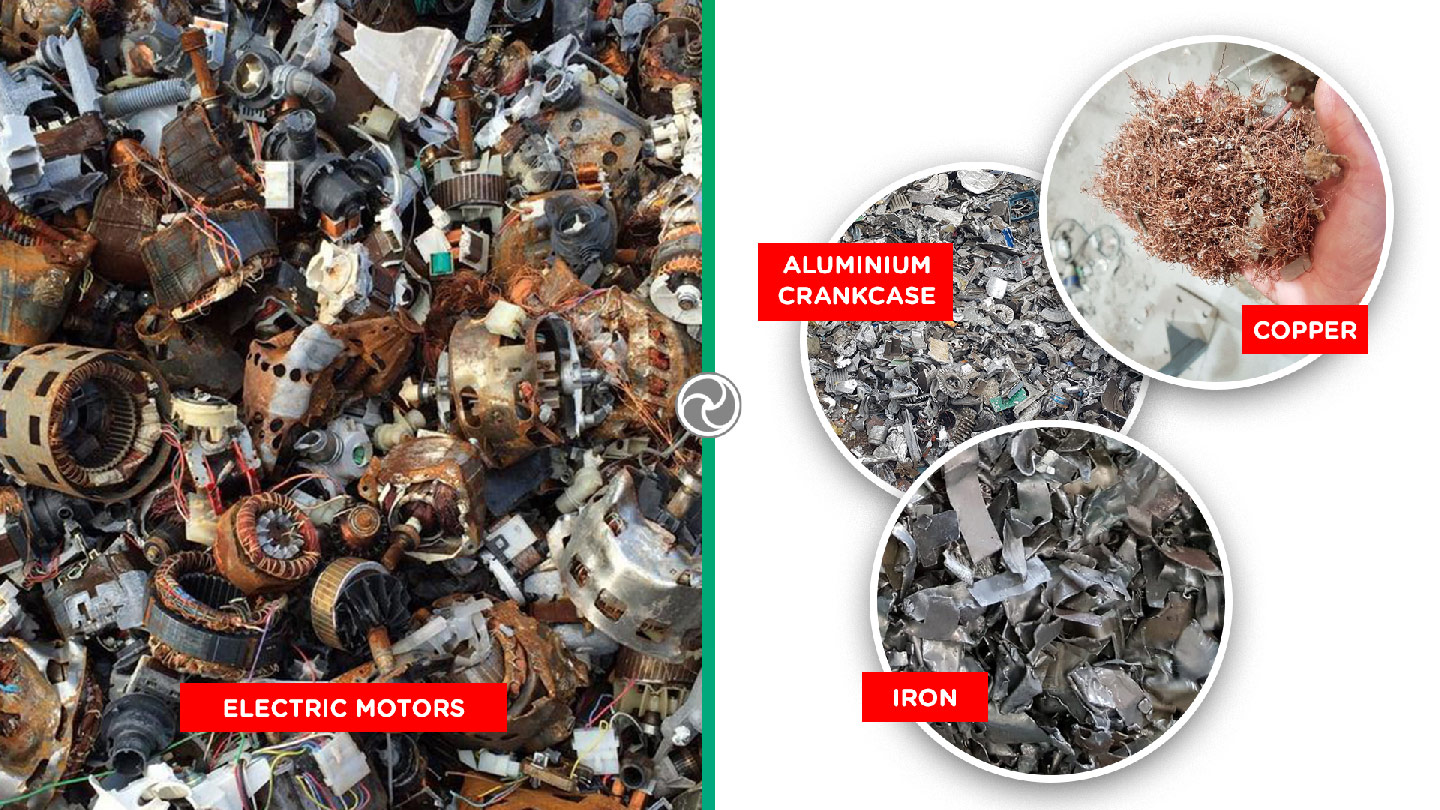
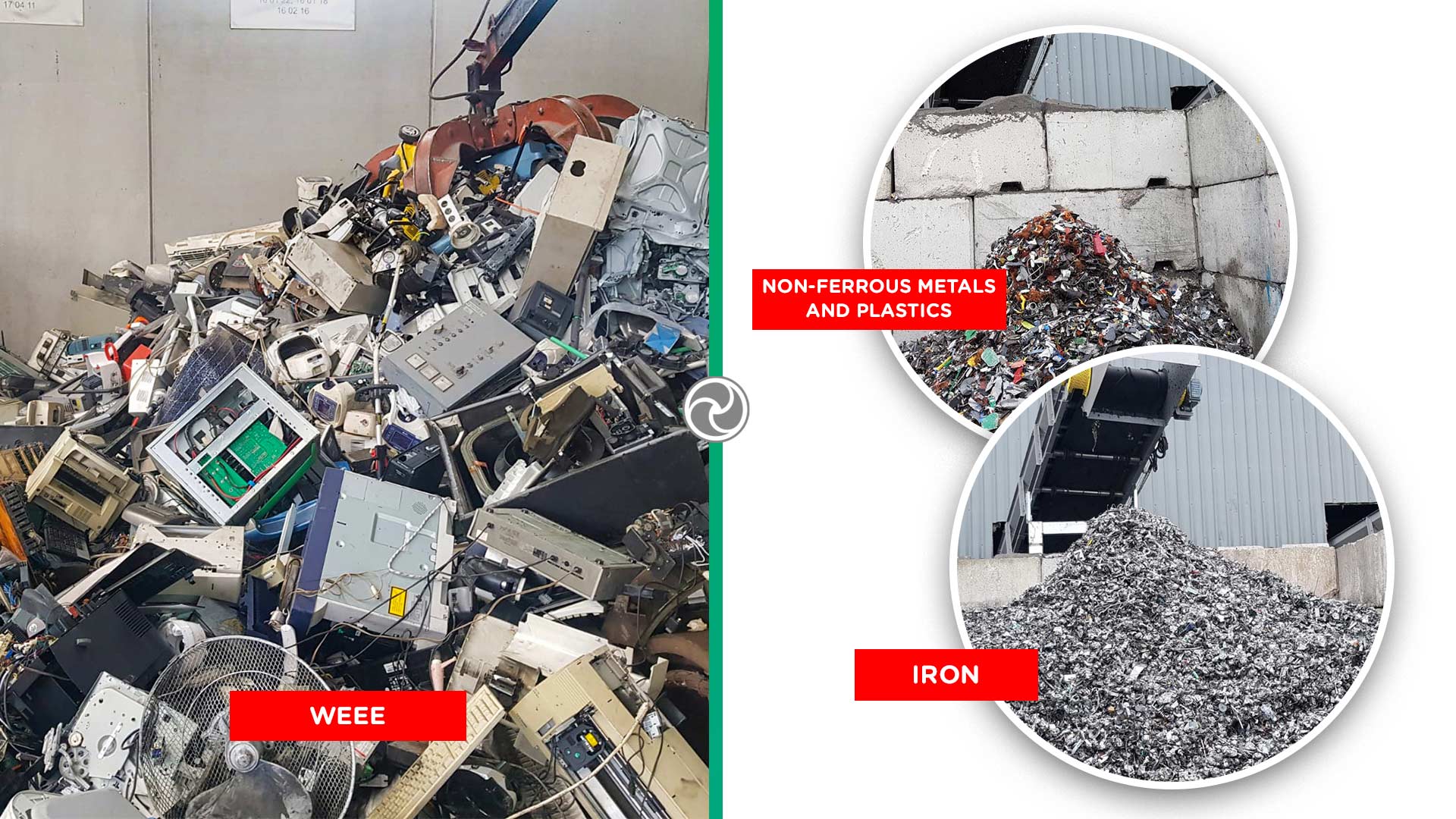
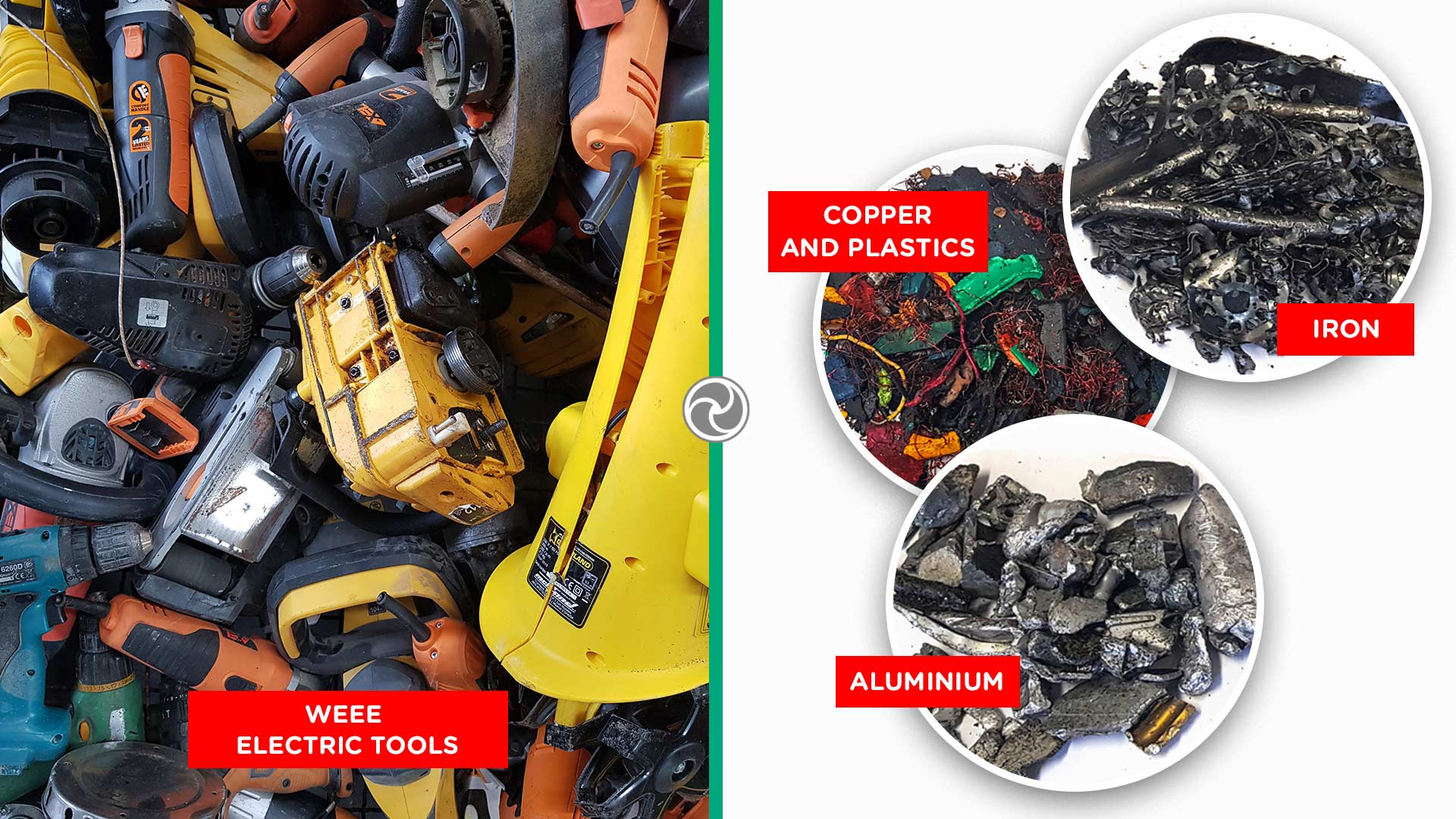
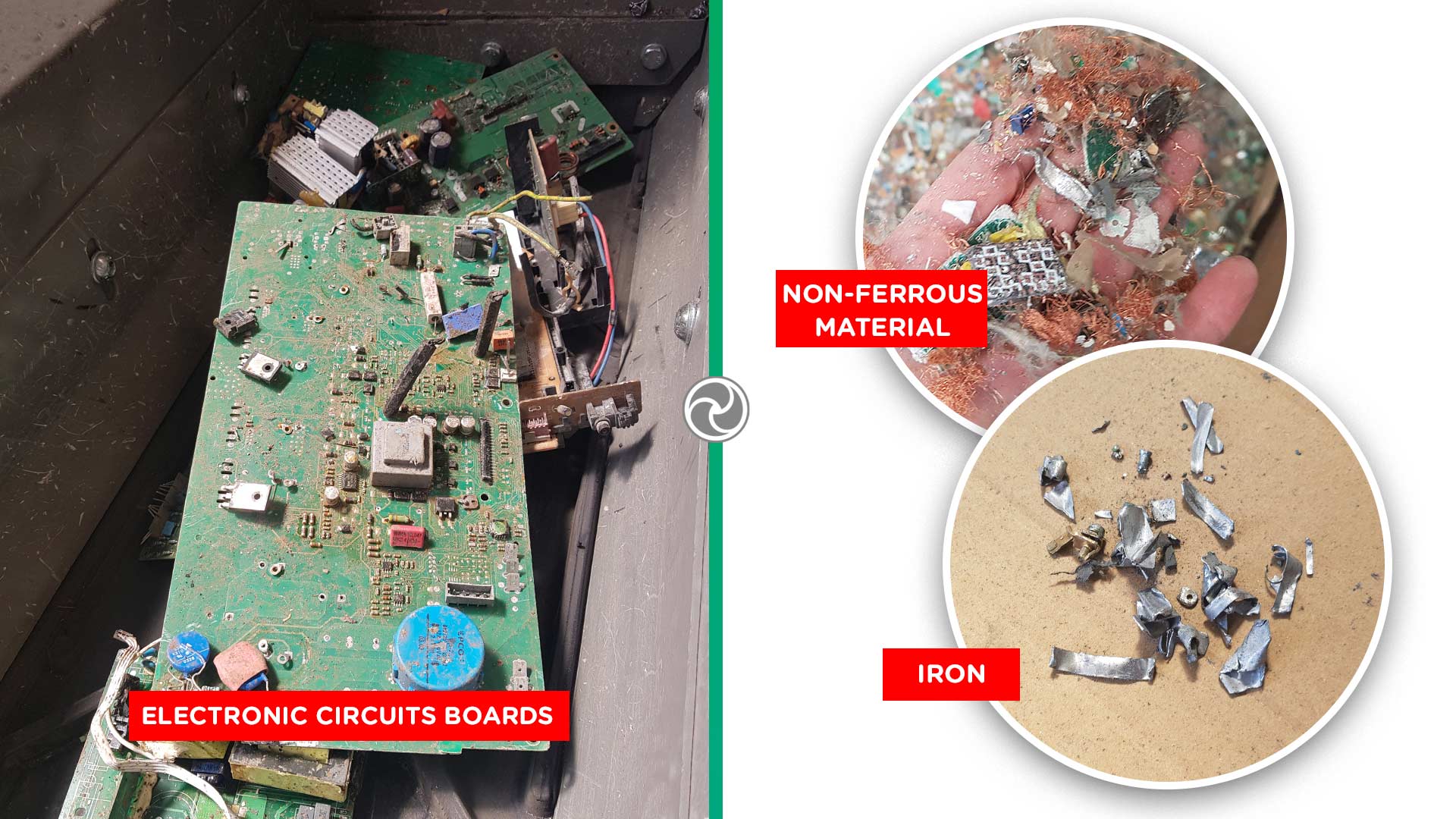
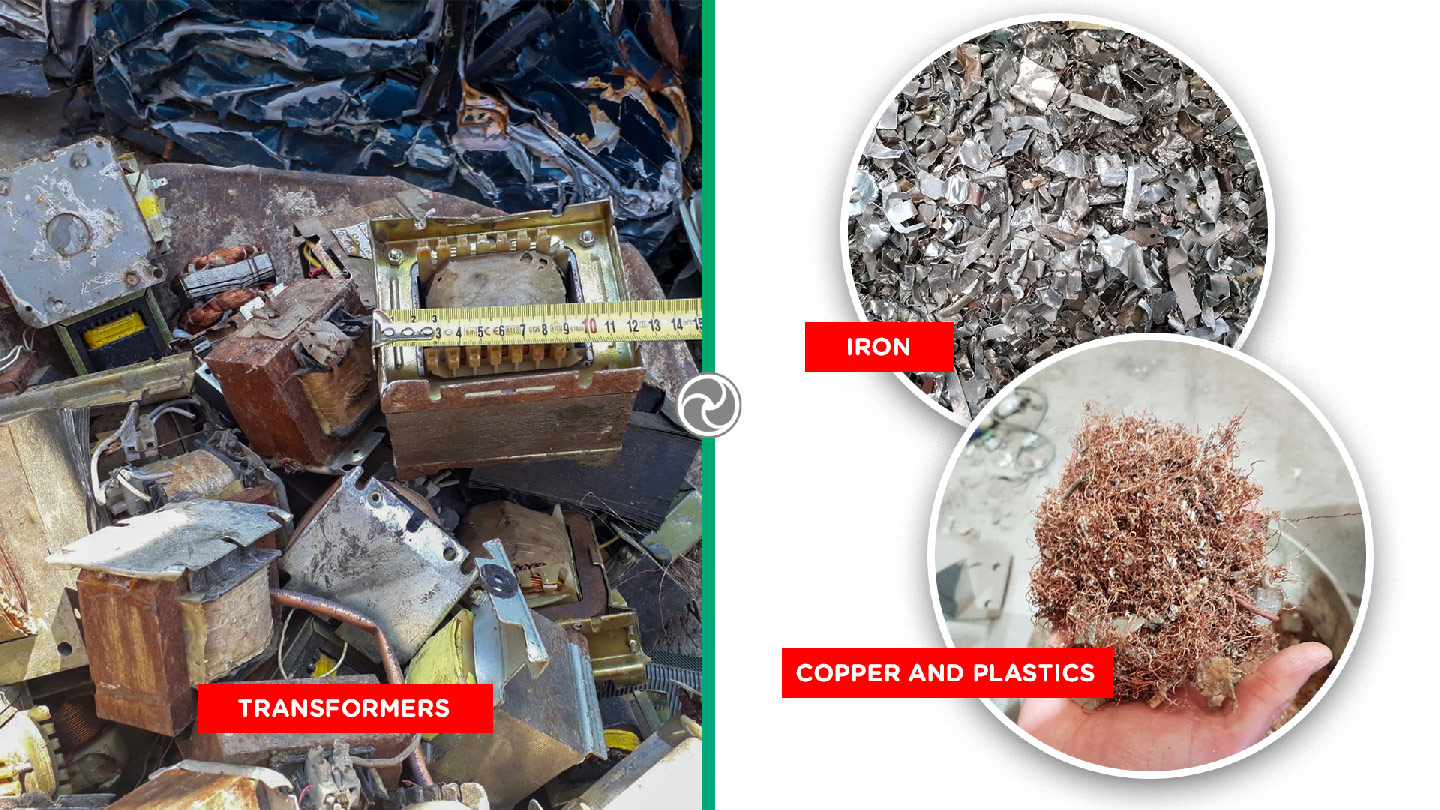
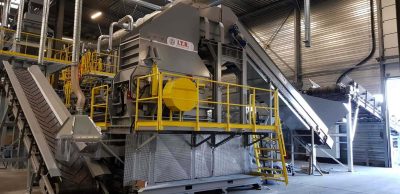
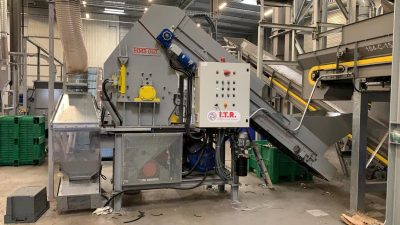
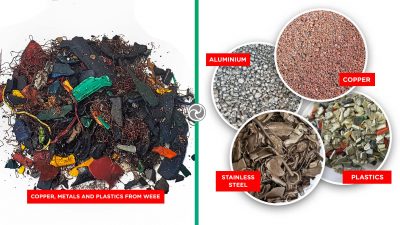
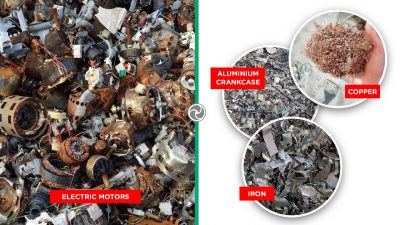
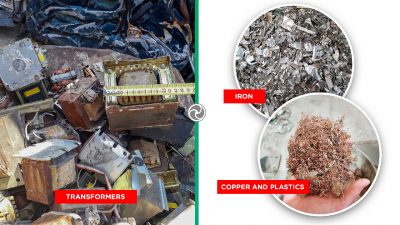
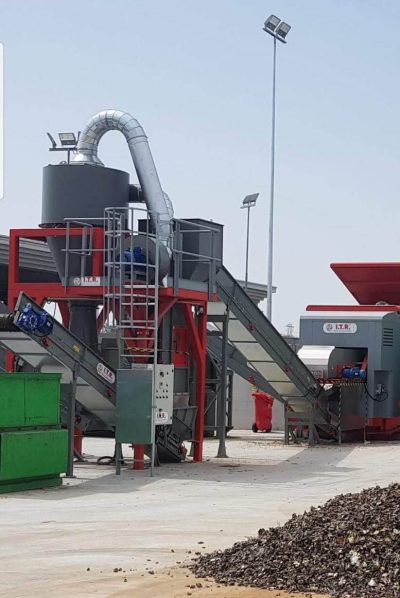
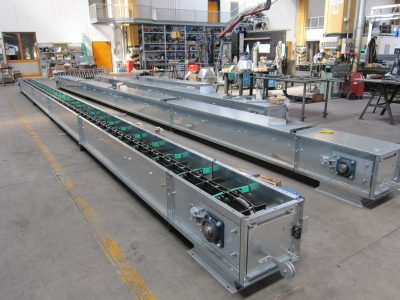
ITR’s WEEE treatment plants are designed to effectively process all types of electrical and electronic waste. These systems are engineered to efficiently separate ferrous and non-ferrous metals such as copper, aluminum, iron, and steel, enabling their recovery and reintegration into the market as high-purity secondary raw materials.
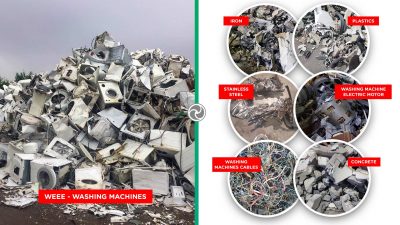
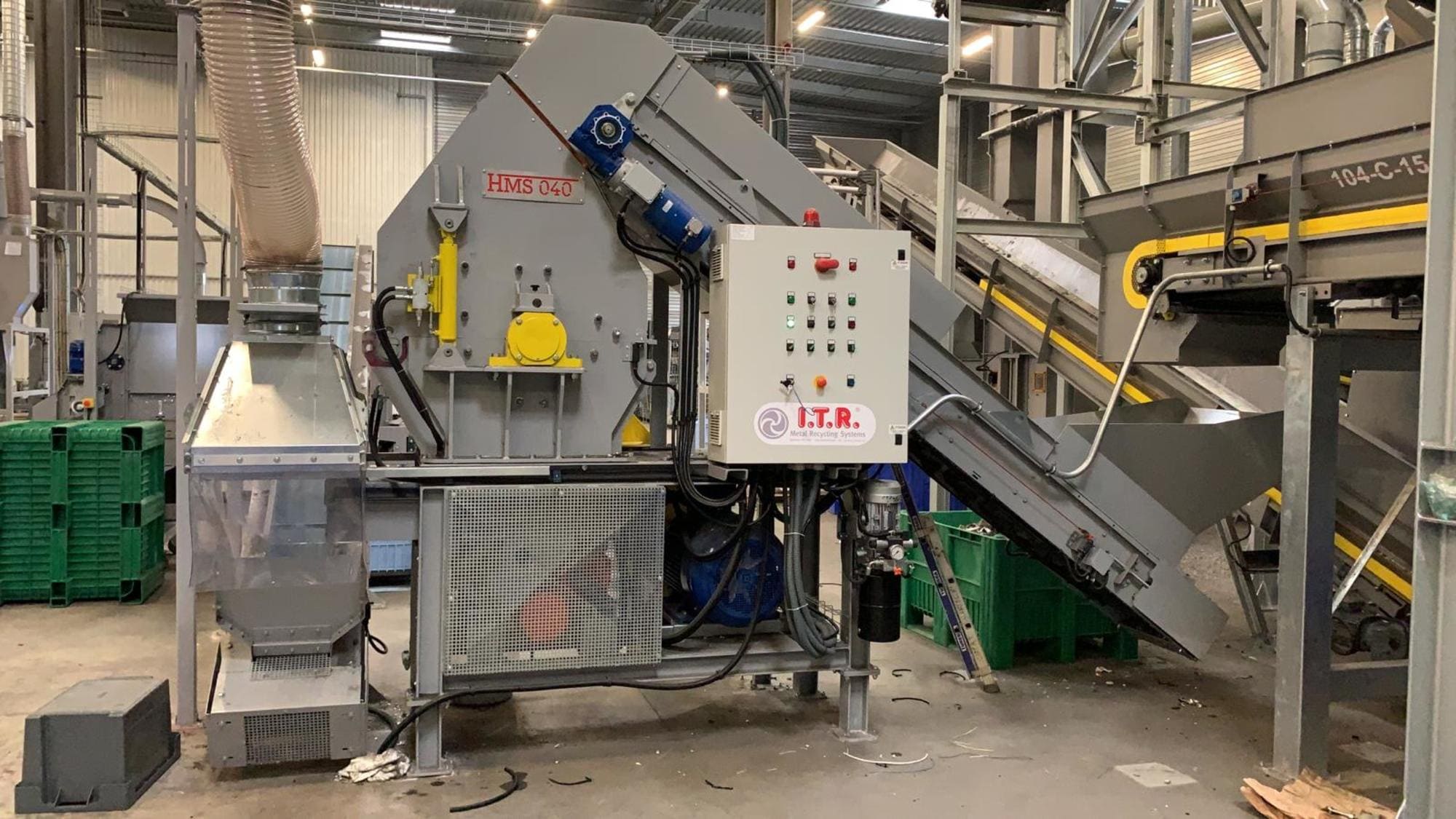
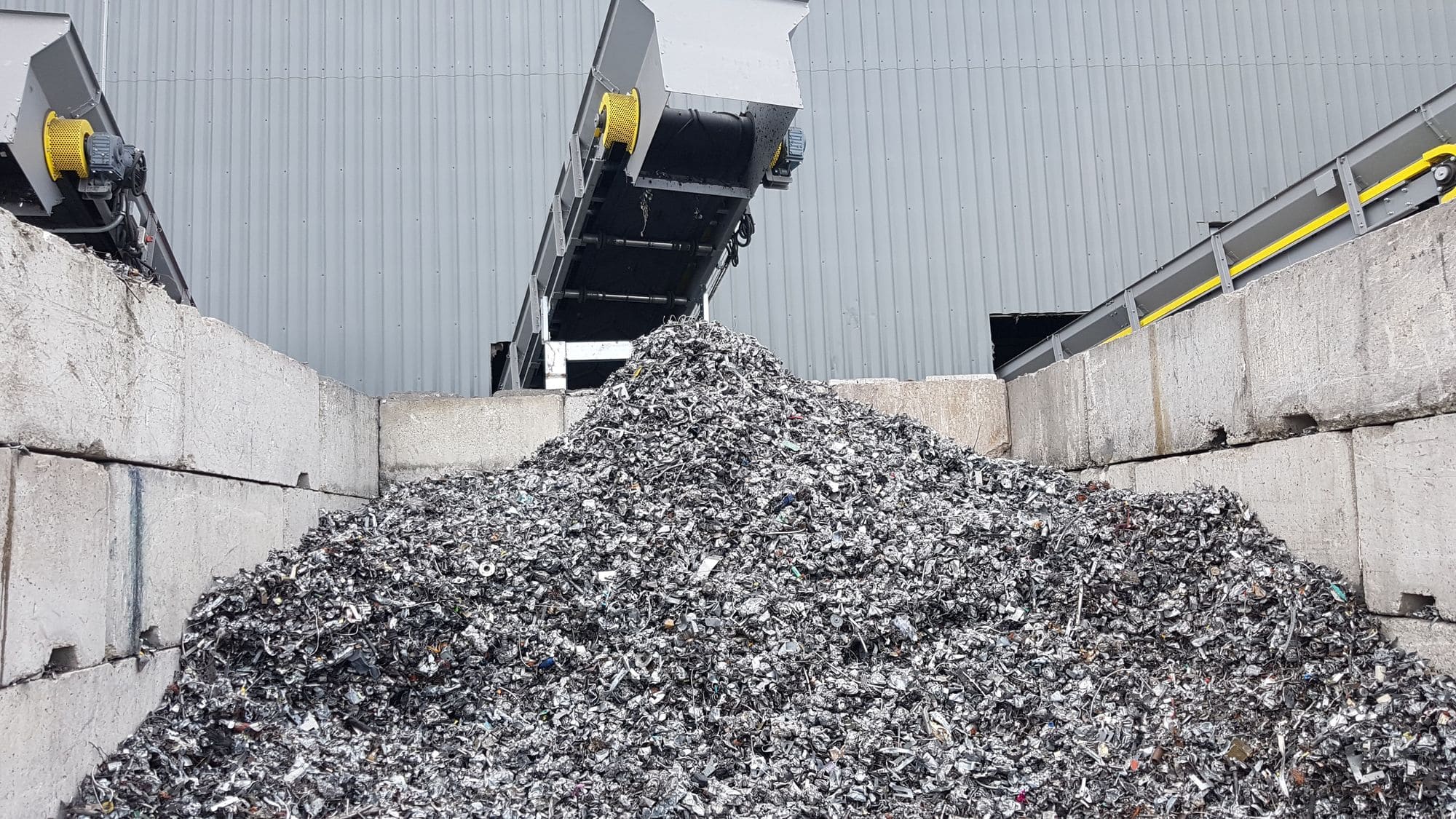
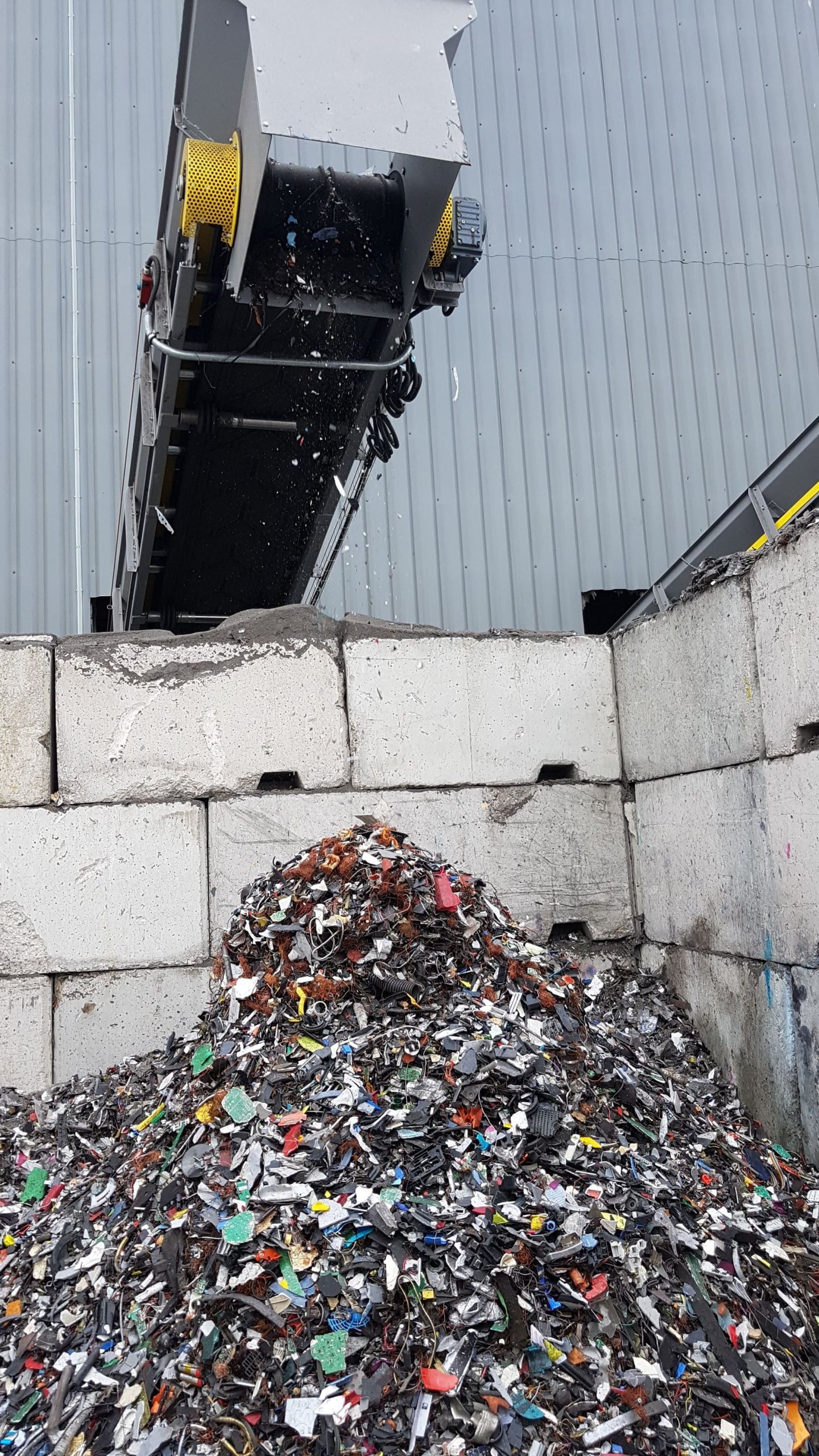
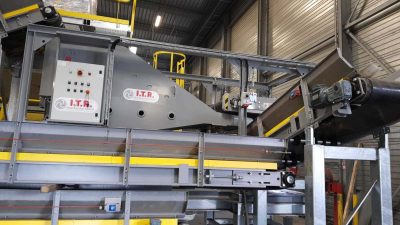
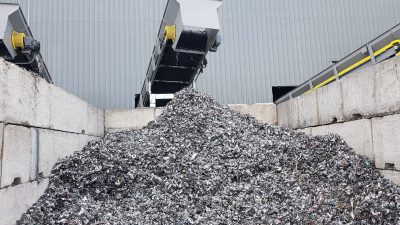
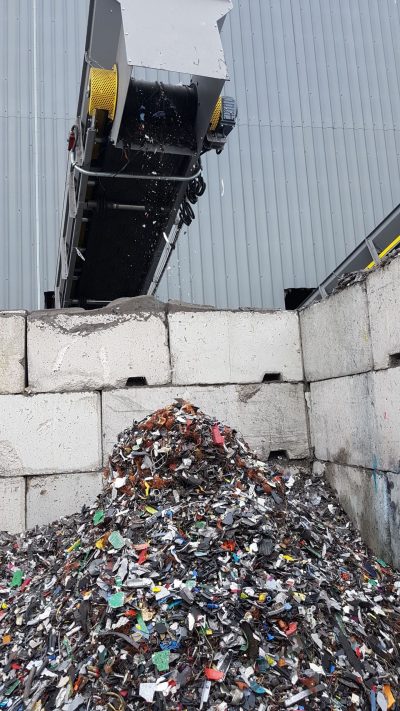
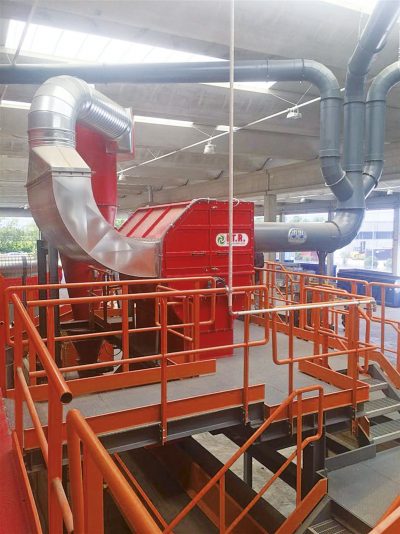
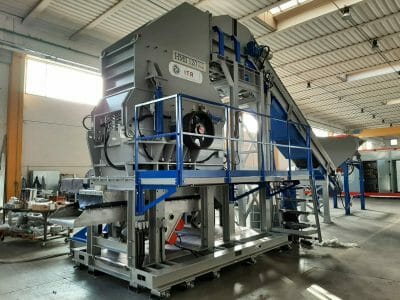
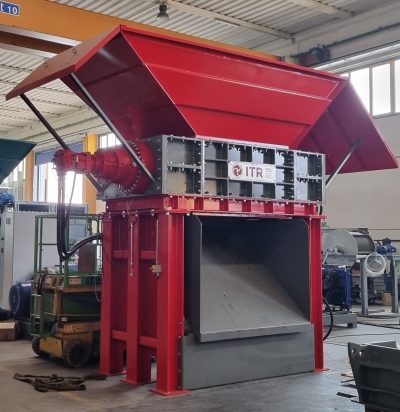
To this end, input materials are treated in ITR’s WEEE treatment plants, which include fixed HMS or mobile HMM hammer mills for material shredding, along with ferrous and non-ferrous metal separation systems. ITR’s hammer mill technology enables high-quality output material, ready for integration into an HMS Ref refining line (for non-ferrous fractions), or melting furnaces (for ferrous fractions).
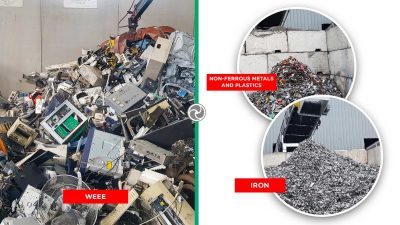
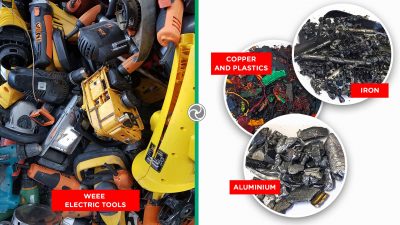
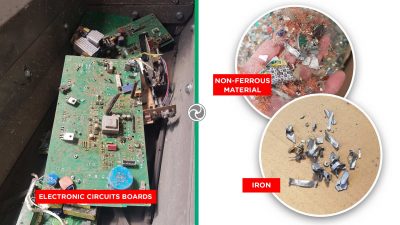
All ITR – Recycling Systems plants are equipped with independent controls for seamless integration into existing process lines, and a software management system that allows for continuous monitoring and remote calibration of the entire plant.
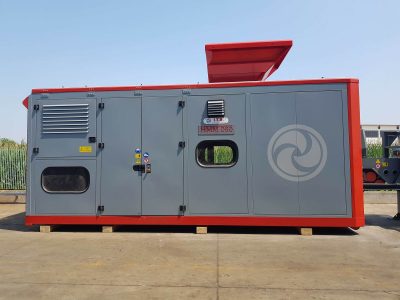
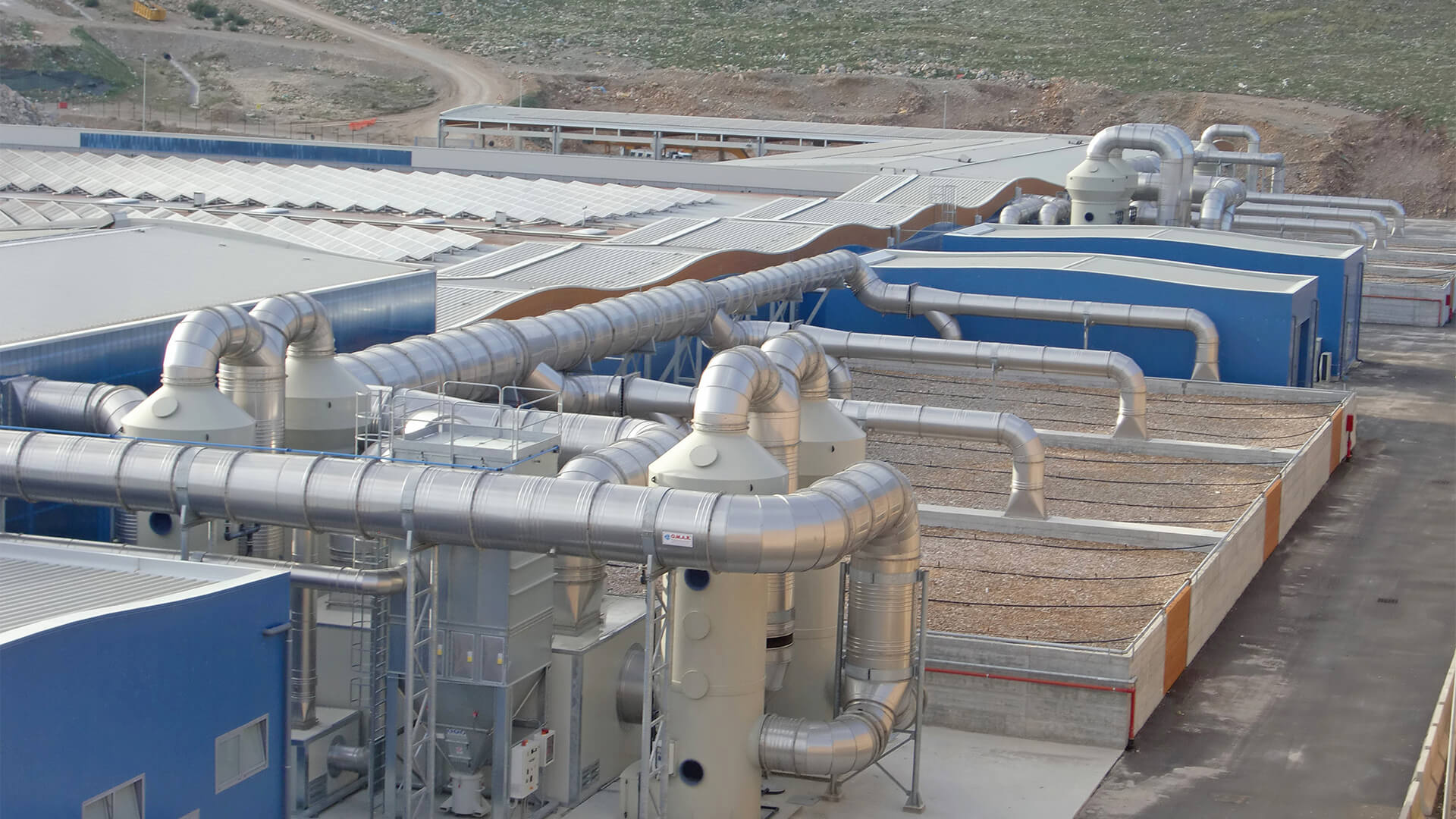
Additionally, ITR plants feature effective dust and odor suppression systems, which operate during all processing phases to ensure environmental protection, workplace health and safety, and the final quality of the recycled fractions returned to new life.
ITR – Recycling Systems’ WEEE treatment plants stand out on the market for their high efficiency, low operating and maintenance costs, user-friendly operation, and immediate integration into Industry 4.0 production systems.
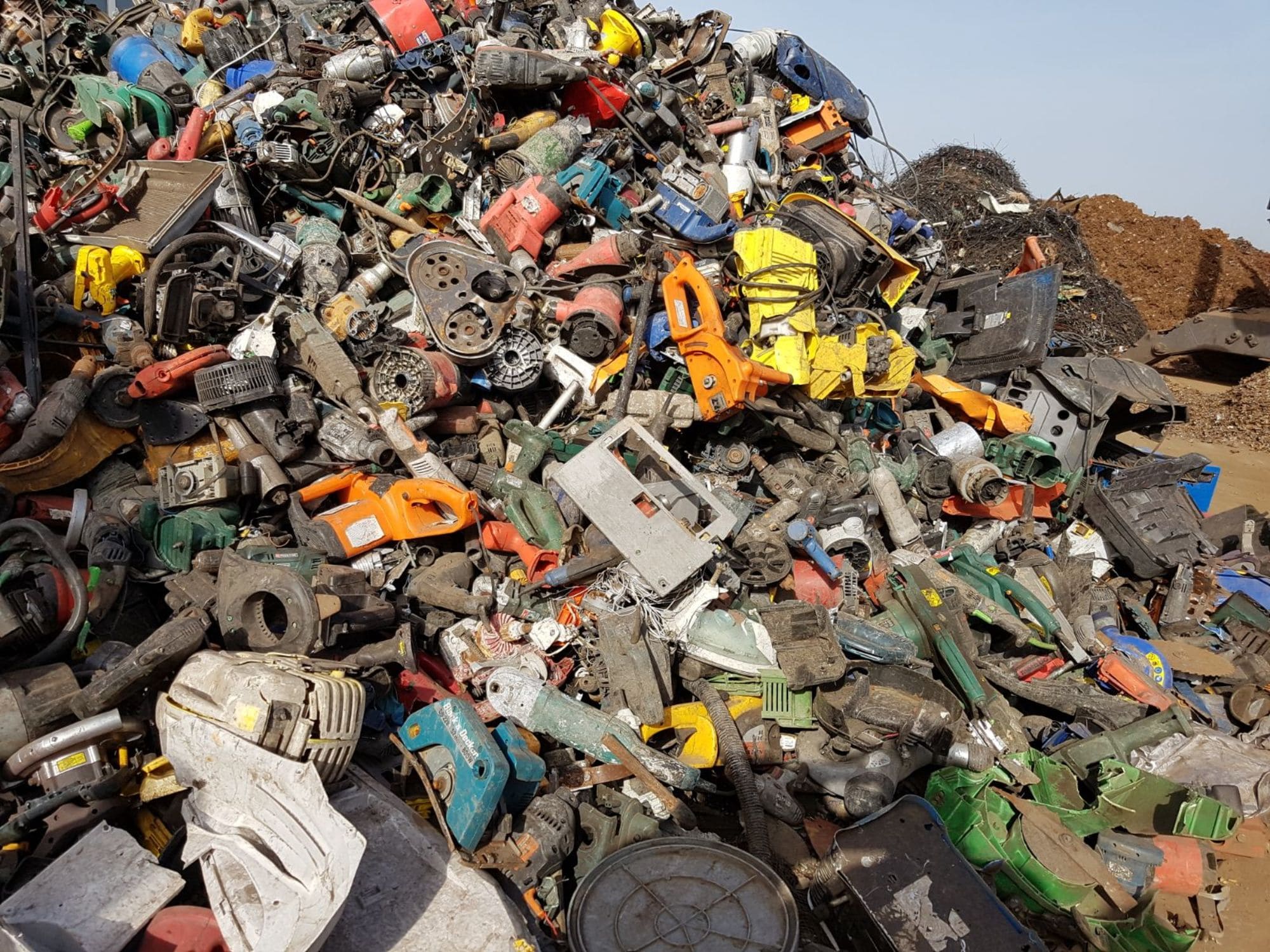
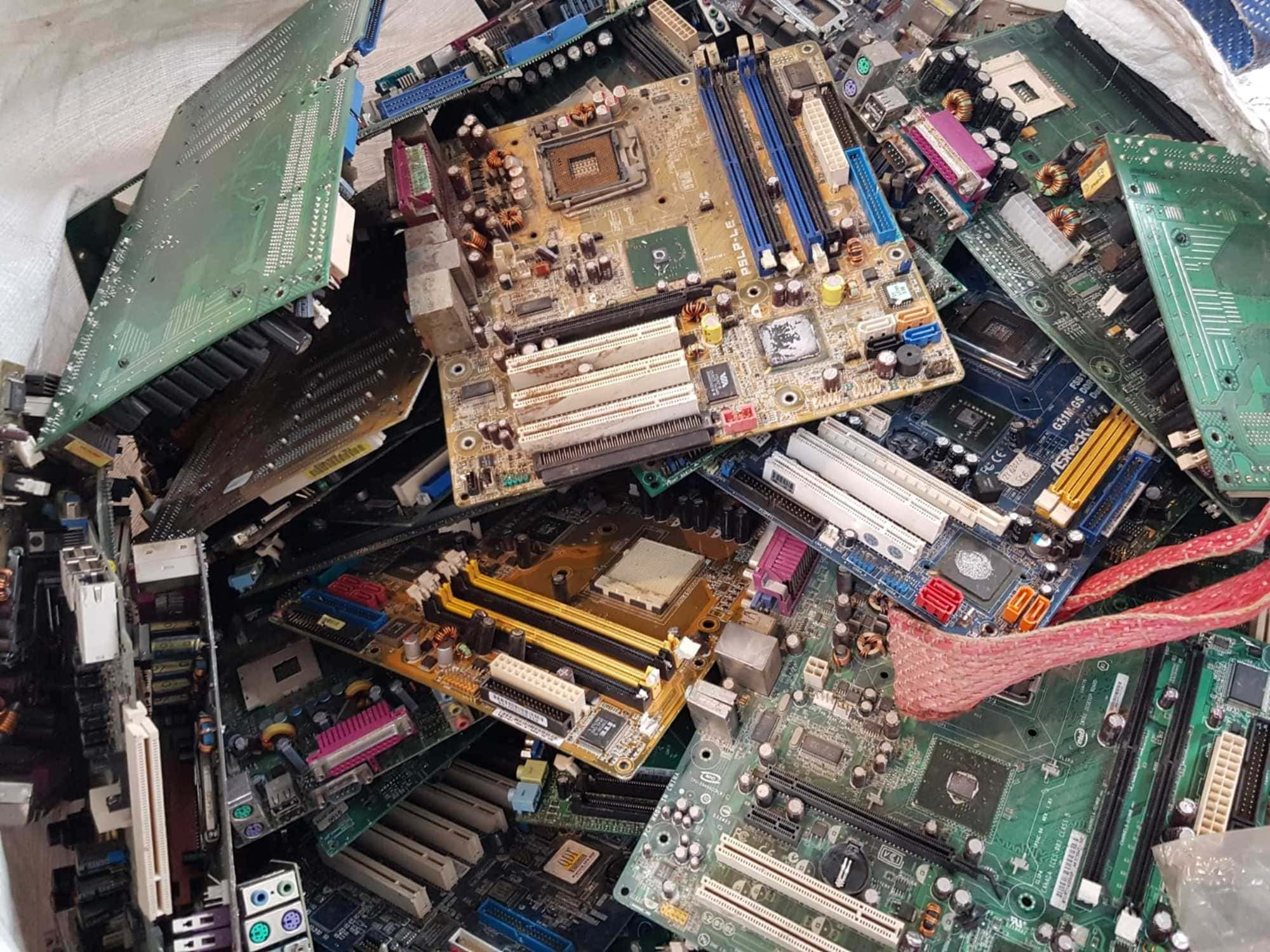
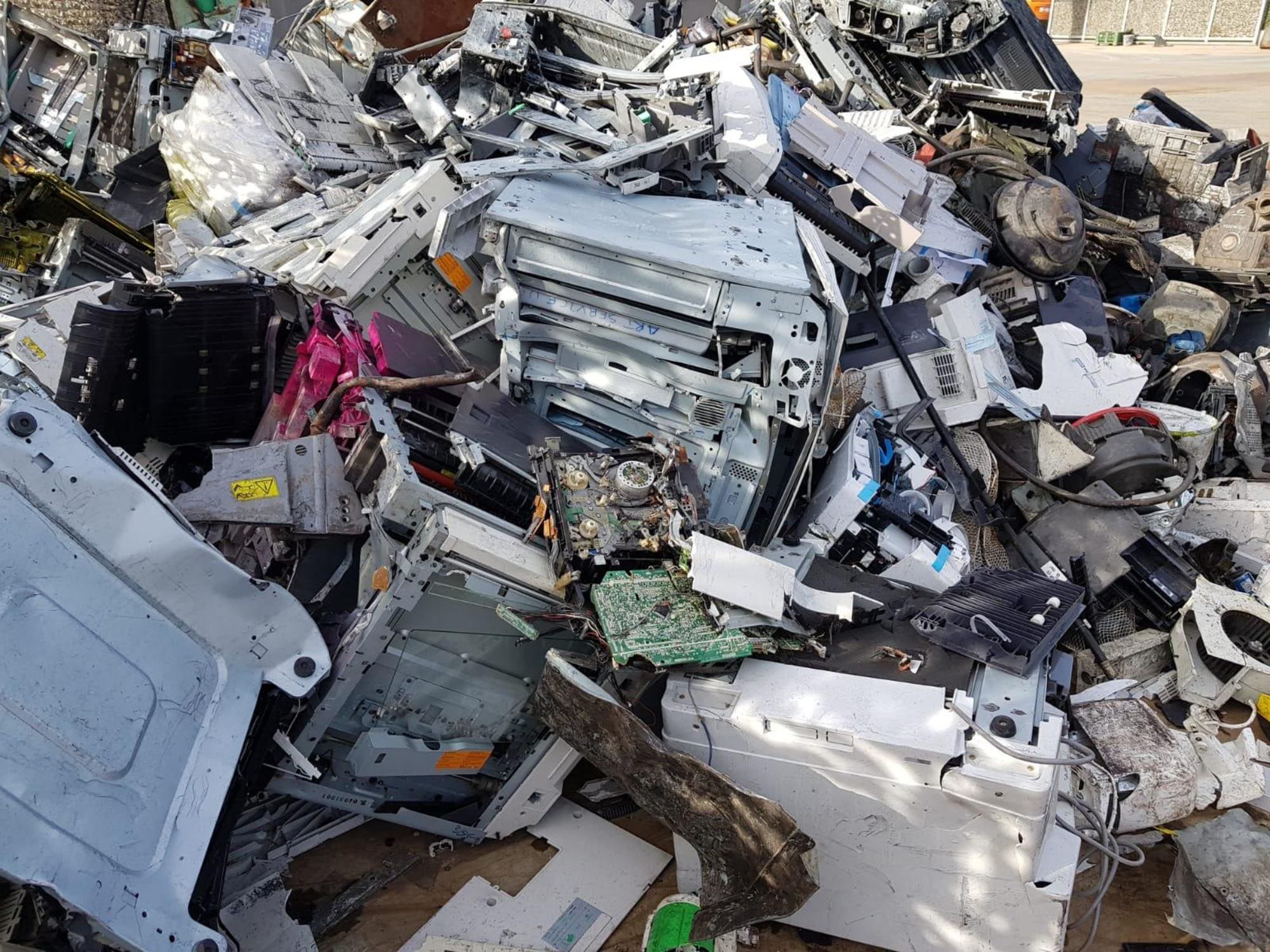
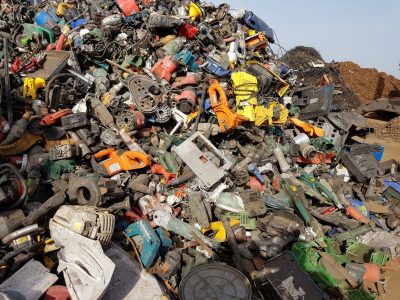
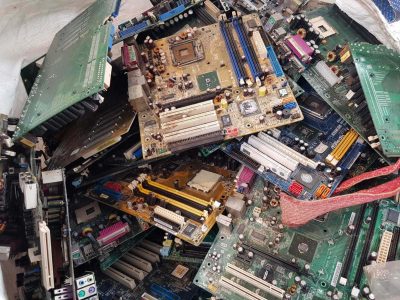
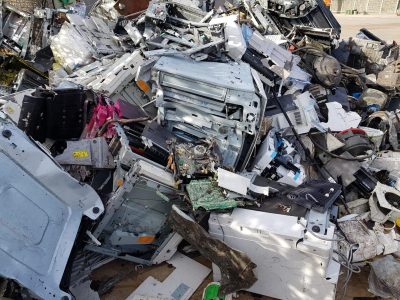
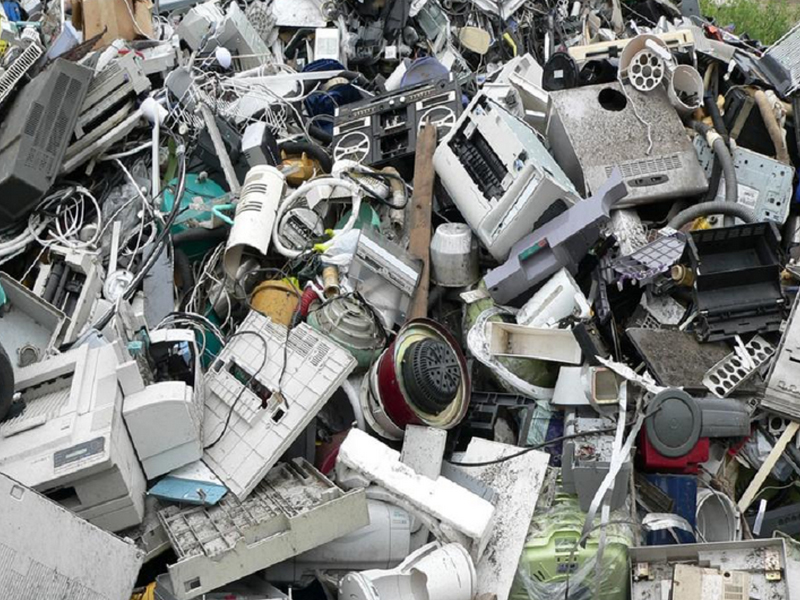
Input material